
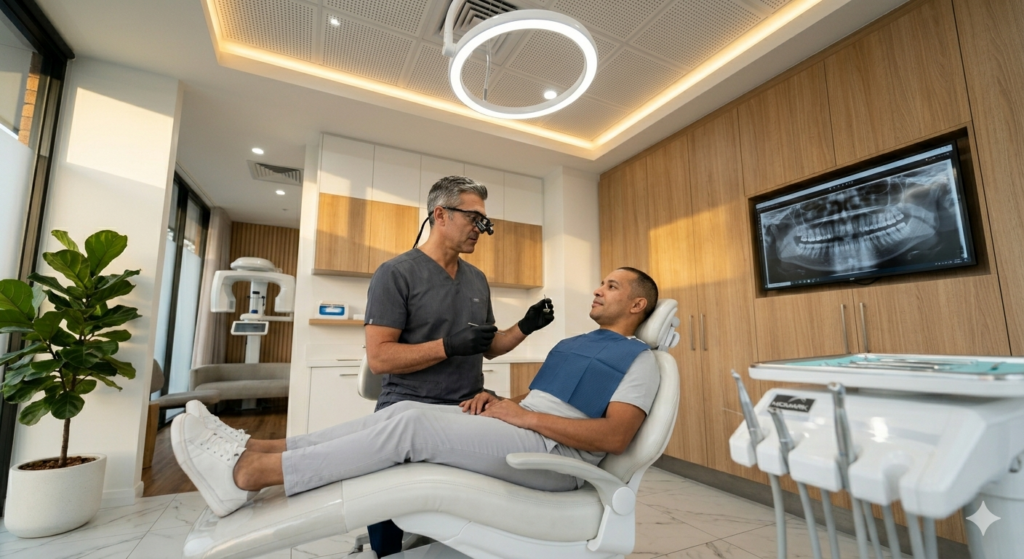
If you’re in Gibsonton, FL and considering a discreet way to straighten teeth, Invisalign offers clear aligners that fit your lifestyle and let you keep smiling through treatment. Invisalign in Gibsonton provides a modern, comfortable alternative to metal braces that often shortens treatment time and makes daily life easier.
They’ll explain how the aligners work, who makes the best candidates, and what day-to-day life looks like with removable trays so you can decide with confidence. Expect clear comparisons to traditional braces, local cost and payment options, and practical tips for keeping your new smile long after treatment ends—everything a neighbor would want to know before booking a consultation.
How Invisalign Works
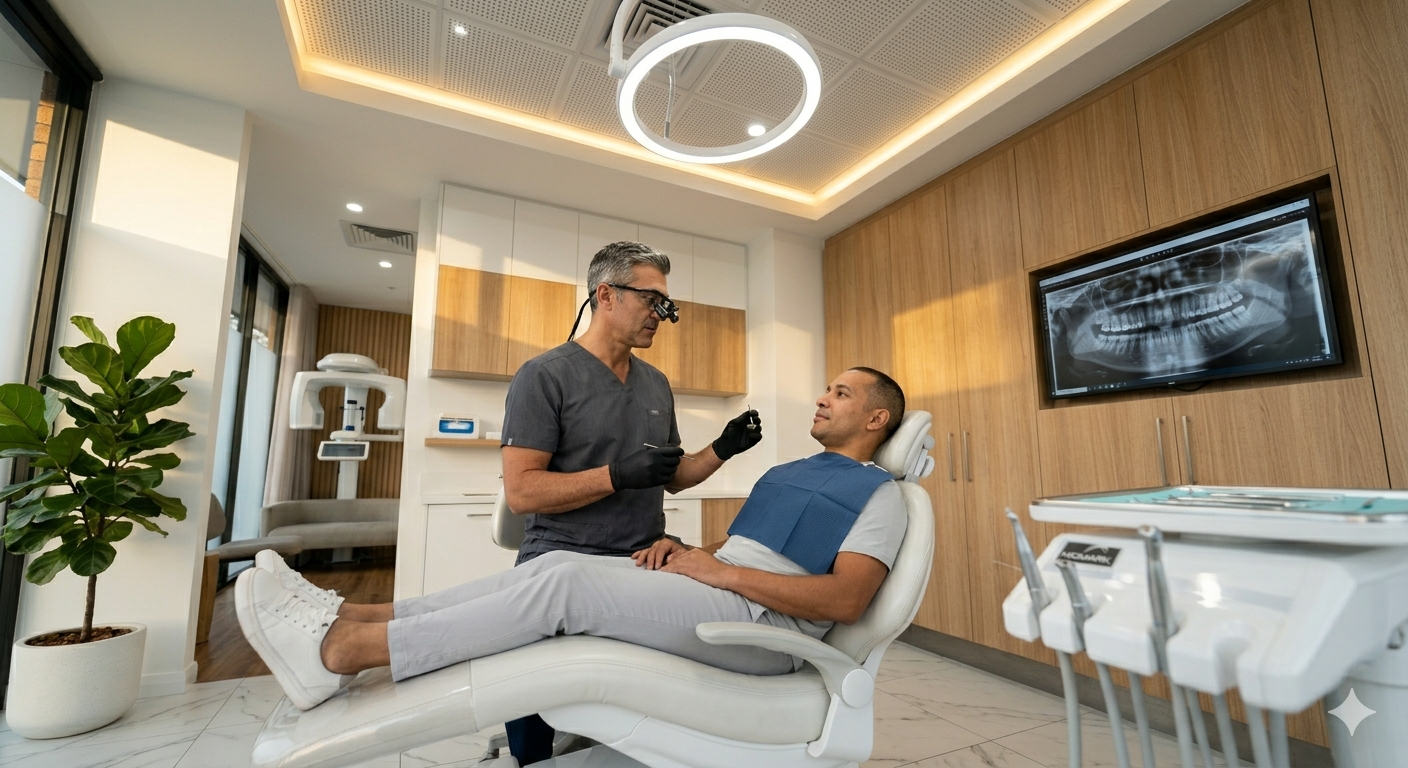
Invisalign gradually moves teeth using a series of clear, removable aligners that are custom-made for each patient. The process combines digital planning, precise force application, and periodic check-ins to achieve predictable tooth movement with minimal disruption to daily life.
Clear Aligners Explained
Clear aligners are thin, BPA-free plastic trays that fit snugly over teeth. They apply gentle, targeted pressure to specific teeth to guide movement; each aligner shifts teeth a fraction of a millimeter compared with the previous set.
Patients wear aligners about 20–22 hours per day and remove them for eating, brushing, and flossing. The transparency means aligners are discreet in social and professional settings. Comfort often improves after the first few days, and most people report less irritation than with traditional braces.
Aligners are changed every 1–2 weeks, depending on the treatment plan. Attachments — small tooth-colored bumps bonded to certain teeth — can be used to help the aligner grip and control rotations or vertical movements. Compliance and following instructions directly affect treatment time and outcomes.
Step-By-Step Treatment Process
Treatment begins with a consultation where a dentist or orthodontist assesses bite, alignment, and suitability for Invisalign. X-rays and intraoral photos often accompany the exam to check root positions and oral health before starting.
Next, a digital scan or physical impression captures the current tooth arrangement. The clinician creates a treatment plan using Invisalign’s software, showing a simulated progression of tooth movement and estimated treatment length. Patients review this plan and ask questions before proceeding.
Once aligners are manufactured, the patient receives the first several sets and instructions on wear and care. Follow-up visits typically occur every 6–12 weeks to monitor progress and receive new aligners. After active treatment, retainers are prescribed to maintain results and prevent relapse.
Digital Scans and Customization
Clinics use a wand-style intraoral scanner to create a precise 3D model of the teeth in minutes. These digital scans replace messy impressions and improve accuracy for aligner fit and tooth-movement prediction.
The 3D model feeds into treatment planning software that maps each tooth’s movement stage-by-stage. The clinician can adjust force points, sequence, and attachments within the plan to address rotations, crowding, gaps, or bite issues. This customization results in aligners tailored to the patient’s unique anatomy.
Manufacturing uses 3D printing and thermoforming to produce each aligner in the prescribed order. Quality control ensures each aligner meets the planned shape and pressure points before shipment. Patients receive aligners labeled by week or stage, with clear instructions to keep the process organized and effective.
Benefits of Invisalign Over Traditional Braces
Invisalign often fits busy lives by combining a low-profile look with easier daily care. It improves appearance during treatment, simplifies eating and oral hygiene, and usually causes less soft-tissue irritation than metal brackets.
Discreet Appearance
Invisalign clear aligners use transparent medical-grade plastic that sits close to the teeth, making them much less visible than metal wires and brackets. Patients in Gibsonton who want to avoid a noticeable orthodontic appearance for work, school, or social reasons typically appreciate how aligners blend with natural tooth color.
Clinicians provide a series of custom trays designed from digital scans, so each stage shifts teeth subtly rather than using bulky hardware. The absence of glued brackets means fewer “flash” reflections in photos and no metal showing when the patient smiles or speaks.
Removable Convenience
Invisalign trays remove completely for eating, which eliminates the dietary restrictions that come with traditional braces. Patients can eat crunchy, sticky, or chewy foods like popcorn or caramel without damaging appliances; they simply take the trays out and brush afterward.
Removal also makes toothbrushing and flossing straightforward: patients clean teeth and aligners directly, reducing plaque buildup and lowering the risk of decalcification. For special events or athletic activities, the ability to temporarily remove aligners offers practical freedom while still following the prescribed wear schedule.
Comfort and Oral Health Advantages
Aligners use smooth plastic without brackets or sharp wires, so they typically cause less cheek and lip irritation. New tray sets transition gradually between stages, producing controlled pressure that many patients describe as milder discomfort than wire adjustments.
From an oral health standpoint, removable aligners facilitate better daily hygiene, which helps prevent cavities and gum inflammation during treatment. Clinicians can monitor periodontal status and adjust the plan as needed, and fixed attachments only occur when necessary, minimizing interference with gum tissue.
Who Is a Good Candidate for Invisalign?
Many patients with mild to moderate misalignment, spacing, or bite issues find Invisalign effective. Treatment suits people who want a discreet, removable option and are willing to follow appliance-wear and care instructions.
Age Ranges Treated
Invisalign works for teenagers and adults, but candidacy depends on dental development and responsibility. For teens, Invisalign First or Teen aligners address erupting permanent teeth and include compliance indicators; orthodontists evaluate growth, remaining baby teeth, and oral habits before starting. Parents should expect periodic checkups every 8–10 weeks and encourage 20–22 hours of daily wear for results.
Adults are excellent candidates when they have healthy gums and no uncontrolled periodontal disease. Those with crowns, bridges, or dental implants can often use Invisalign, though the provider adjusts the plan to accommodate restorations. Older adults with bone loss may need gum therapy or monitoring to ensure tooth movement is safe.
Types of Dental Issues Addressed
Invisalign treats crowding, gaps, and many overbites, underbites, and crossbites. Mild to moderate crowding—when teeth overlap less than a few millimeters—responds predictably to aligners. Spacing issues, including diastemas, close well with staged aligner movements and attachment use.
Bite problems such as mild to moderate overjet (front teeth that protrude) and crossbite often improve with aligners plus precision attachments and elastics. Severe skeletal discrepancies, large open bites, or very complex tooth rotations may require fixed braces or surgical options instead. The dentist or orthodontist uses digital scans and staging to determine whether aligners alone will meet the treatment goals.
Life With Invisalign: What to Expect Day-to-Day
Patients can expect a predictable routine that balances wearing schedules, simple cleaning steps, and minor adjustments during the first week. Most daily issues involve short-term soreness, remembering to wear aligners, and basic care to keep trays clear and fresh.
Wearing and Caring for Aligners
Patients should wear aligners at least 22 hours daily, removing them only for eating and cleaning. Missing hours delays progress; most dentists track movement and may pause or extend treatment when wear is inconsistent.
New trays often cause mild pressure for 24–72 hours as teeth shift; over-the-counter ibuprofen or acetaminophen usually controls discomfort. If sharp pain or loose teeth persists beyond a week, contact the Gibsonton office for a same-week check.
Clean aligners twice daily with a soft toothbrush and clear, unscented liquid soap or manufacturer cleaning crystals. Avoid hot water, which warps plastic, and never use whitening toothpaste on trays. Store aligners in a ventilated case to prevent bacteria and accidental trashing.
Bring aligners to every appointment and note any attachments or elastics used; staff will check fit and may provide new trays at scheduled intervals.
Eating and Drinking Tips
Remove aligners for all meals and snacks to prevent staining and food trapping. Rinsing teeth and trays before reinserting reduces decay risk; carry a travel toothbrush and water bottle when away from home.
Avoid sugary or acidic drinks while wearing trays; these increase cavity risk between cleanings. Plain water is safe with aligners in, but hot liquids can deform the plastic, so patients should always remove trays for coffee, tea, or soup.
If a tray breaks or no longer fits, wear the previous set and call the office. For travel or busy days, keep an extra case and aligner set in a secure container to maintain the 22-hour target and avoid treatment delays.
The Invisalign Journey in Gibsonton, FL
Patients can expect a clear, technology-driven path from consultation to finished smiles, with attention to comfort, predictable timelines, and affordable options. Local clinics use digital scans, individualized treatment plans, and scheduled follow-ups to track progress and adjust care.
What Happens at Your First Consultation
A patient arrives and completes a brief medical and dental history, including questions about past orthodontic work, gum health, and goals. The clinician performs an oral exam, checks bite relationships, and photographs the teeth to document the starting point.
The practice then uses a digital intraoral scanner to capture precise 3D images; this replaces messy impressions and speeds planning. The clinician reviews those scans on-screen with the patient, highlighting alignment issues, estimated treatment length, and any preparatory needs such as fillings or periodontal care.
Next comes a customized plan using Invisalign’s software, showing expected tooth movements and a timeline for aligner changes. Staff discuss costs, insurance details, and available financing, then schedule imprinting or ordering of the aligners and any necessary attachments. Patients leave knowing the first aligner delivery date and follow-up schedule.
Local Expertise and Practice Experience
Gibsonton clinics typically staff dentists or orthodontists certified in Invisalign with multiple years of aligner experience. They can show before-and-after cases and explain how they handle common issues like mid-treatment refinements or attachment placement.
Clinics emphasize patient comfort and clear communication, offering flexible appointment times and phone or text check-ins between visits. Many practices work with local labs and use regional referral networks for complex cases needing surgical or multidisciplinary care.
Staff educate patients on daily wear expectations—usually 20–22 hours per day—cleaning routines, and what to expect with speech adaptation. They also outline maintenance after treatment: retainers, periodic checkups, and preventive hygiene to protect the investment in the new smile.
Cost and Payment Options
Costs vary by case complexity, treatment length, and whether adjunctive services (like IPR or attachments) are needed. Patients should expect a clear estimate that breaks down lab fees, aligner sets, and office visits.
Insurance Coverage
Many dental insurance plans offer partial coverage for orthodontic treatment, but policies differ on eligibility for Invisalign specifically. Typical employer plans that cover orthodontics often apply a lifetime maximum (commonly $1,000–$3,000) and may require a waiting period. Adult Invisalign claims are sometimes treated differently than child orthodontics, so verification before starting is essential.
Patients should ask the GIBSONTON office to submit a pre-treatment estimate to their insurer. The practice can identify in-network benefits for providers and explain what portion remains as patient responsibility. If an insurer requires documentation, the office will usually provide treatment plans, X-rays, and cost breakdowns.
Confirm whether coverage applies per lifetime, per dependent, or per treatment episode. Also check for age limits, medical necessity clauses, and whether aligner replacements or refinement stages are covered. Understanding these specifics prevents surprise bills.
Flexible Financing Plans
Most Gibsonton practices offer monthly payment plans through third-party financing companies and in-office arrangements. Typical options include 6–24 month interest-free plans for qualified applicants, or low-interest extended plans for longer terms. Patients can often start treatment after a down payment that ranges from $0 to 30% of the total fee.
The office staff will provide a written payment schedule showing monthly amounts, interest rates, and any late fees. Common providers include CareCredit and LendingClub, but practices may partner with local lenders. Patients should compare total repayment cost and possible origination fees.
For those who prefer simplicity, some offices allow credit/debit card autopay or cash discounts. Employers may offer flexible spending accounts (FSA) or health savings accounts (HSA) that can reduce out-of-pocket expenses; the practice can supply receipts and billing codes to facilitate reimbursement.
Maintaining Your New Smile After Invisalign
Keeping a straight smile requires consistent retainer use and daily habits that protect tooth position, enamel, and gum health. Small routines—wearing the right retainer schedule, cleaning appliances, and controlling diet—prevent relapse and preserve the investment in Invisalign.
Wearing Retainers
Patients typically receive a removable retainer right after Invisalign treatment; wearing it full-time for the first 3–6 months prevents immediate shifting. Providers often recommend upper and lower retainers; follow the exact hours your clinician prescribes and bring any issues to the Gibsonton office promptly.
Clean retainers daily with a soft toothbrush and mild soap or a manufacturer-recommended cleaner; avoid hot water and abrasive toothpaste that warp acrylic. Store retainers in a ventilated case when not worn to reduce bacterial buildup and prevent accidental damage.
Replace retainers if they crack, warp, or no longer fit snugly. Many practices offer replacement options—ask about cost and turnaround time so gaps in wear don’t occur. Bring retainers to follow-up visits so the clinician can check fit and alignment.
Healthy Habits for Lasting Results
Maintain excellent oral hygiene: brush twice daily for two minutes and floss once daily to prevent gum inflammation that can allow teeth to shift. Professional cleanings every 6 months (or as recommended) keep gums healthy and let the dentist monitor bite stability.
Limit sticky, hard, and sugary foods that stress teeth and restorations. Drinking water after meals and using fluoride toothpaste help strengthen enamel and reduce decay risk, protecting the foundation of the smile.
Wear a night guard if diagnosed with bruxism; grinding places forces that can move teeth and damage retainers. Attend scheduled retention checkups and report any new tooth movement—early adjustment of the retainer or minor orthodontic touch-ups can avoid larger corrective treatment later.
Taking the Next Step Toward a Confident Smile
Patients in Gibsonton can schedule an initial consultation to discuss Invisalign and see if it matches their goals. The dentist reviews medical history, examines teeth, and often uses digital scans to create a clear treatment plan.
Treatment timelines vary by case. Many adults notice changes within a few months, while full plans commonly take 12–18 months depending on complexity.
Comfort and convenience rank high for local patients. Aligners are removable for eating and brushing, and follow-up visits typically occur every 6–8 weeks to monitor progress and make adjustments.
Costs and insurance coverage differ, so the practice provides clear estimates and payment options. Some offices offer financing or flexible plans to spread payments over the treatment period.
Common patient questions include:
- How often must aligners be worn? (Generally 20–22 hours per day.)
- Will treatment affect speech? (Most adapt within a few days.)
- Are attachments needed? (Sometimes, to help certain tooth movements.)
Prospective patients benefit from bringing current dental records or photos to the first visit. That helps the team tailor recommendations and set realistic expectations.
They should call or book online to arrange an evaluation and get answers specific to their case. The practice welcomes questions and aims to make starting Invisalign straightforward and comfortable.
Frequently Asked Questions
This section answers common concerns about Invisalign in Gibsonton, covering candidacy, treatment steps and timing, costs and factors that affect price, differences between limited and comprehensive plans, the Invisalign HFD option, and how Vivera retainers preserve results.
Am I a good candidate for clear aligners, or would braces be a better fit for my smile?
Most adults and many teens with mild-to-moderate crowding, spacing, or bite issues do well with clear aligners.
Complex cases—severe rotations, large bite discrepancies, or certain jaw alignment problems—may require fixed braces or combined orthodontic approaches.
A local consultation with a Gibsonton provider, including scans or X-rays, determines whether aligners alone will meet goals.
They will review expected tooth movement, treatment time, and whether auxiliaries (attachments, elastics) or braces are necessary.
What are the typical stages of treatment, and how often will my aligners be updated?
Treatment usually starts with an initial exam, digital scans, and a customized treatment plan showing stage-by-stage tooth movement.
Patients then receive a series of aligners to wear about 20–22 hours per day, switching sets every 1–2 weeks as directed.
In-office checkups typically occur every 6–10 weeks to monitor progress and provide new aligner sets if needed.
Adjustments or refinements may add a few extra aligners near the end of the planned sequence.
How much does treatment usually cost, and what affects the final price?
Typical Invisalign treatment in Gibsonton ranges widely, often between $3,000 and $7,000, depending on complexity.
Factors that affect price include severity of the case, treatment length, need for attachments or elastics, and whether refinements are required.
Insurance coverage, flexible spending accounts, and in-office financing can lower out-of-pocket cost.
A personalized estimate follows the exam and digital treatment plan.
What’s the difference between limited and comprehensive treatment, and how do I know which one I need?
Limited treatment targets a small number of teeth or minor cosmetic issues and runs for a shorter time with fewer aligners.
Comprehensive treatment addresses full-arch alignment, bite correction, and more complex tooth movements over a longer course.
The provider decides based on clinical findings and desired outcome; they will explain which option meets the patient’s goals and why.
Choosing comprehensive when needed avoids incomplete results and later re-treatment.
What is the Invisalign HFD option, and when is it recommended?
Invisalign HFD (High Force, Directed) uses stronger, targeted forces to move teeth more predictably in certain directions.
Clinicians select HFD when specific stubborn movements—such as root uprighting or heavier torque—are necessary.
A Gibsonton orthodontist or dentist recommends HFD after evaluating the tooth movement required and the patient’s overall orthodontic plan.
They will explain benefits and any differences in comfort or schedule.
After treatment, how do Vivera retainers help keep my teeth from shifting back?
Vivera retainers are custom-made, clear retainers fabricated from the final digital tooth positions after treatment.
They provide durable, precise retention to maintain alignment and reduce relapse risk.
Providers typically recommend full-time wear for an initial period, then nightly wear indefinitely or as advised.
Regular checkups ensure retainers still fit and protect the long-term results.