
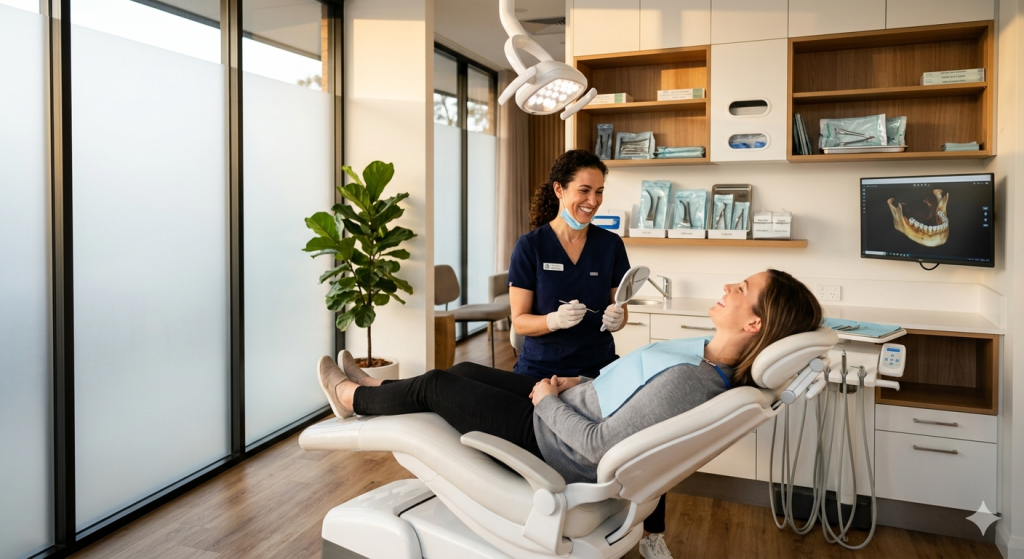
When a dental emergency strikes in Gibsonton, FL, knowing where to turn can make all the difference. Whether it’s a sudden toothache, a broken crown, or a knocked-out tooth, quick and professional care is crucial to prevent further damage and relieve pain.
Emergency dental services in Gibsonton are designed to provide fast, effective treatment when unexpected dental problems arise. These services focus on patient comfort while using modern techniques to address urgent issues promptly.
Local dentists offering emergency care understand how stressful dental problems can be. They work to make the experience as smooth as possible, guiding patients through treatment options and helping them get back to their daily routines with confidence.
Types of Dental Emergencies
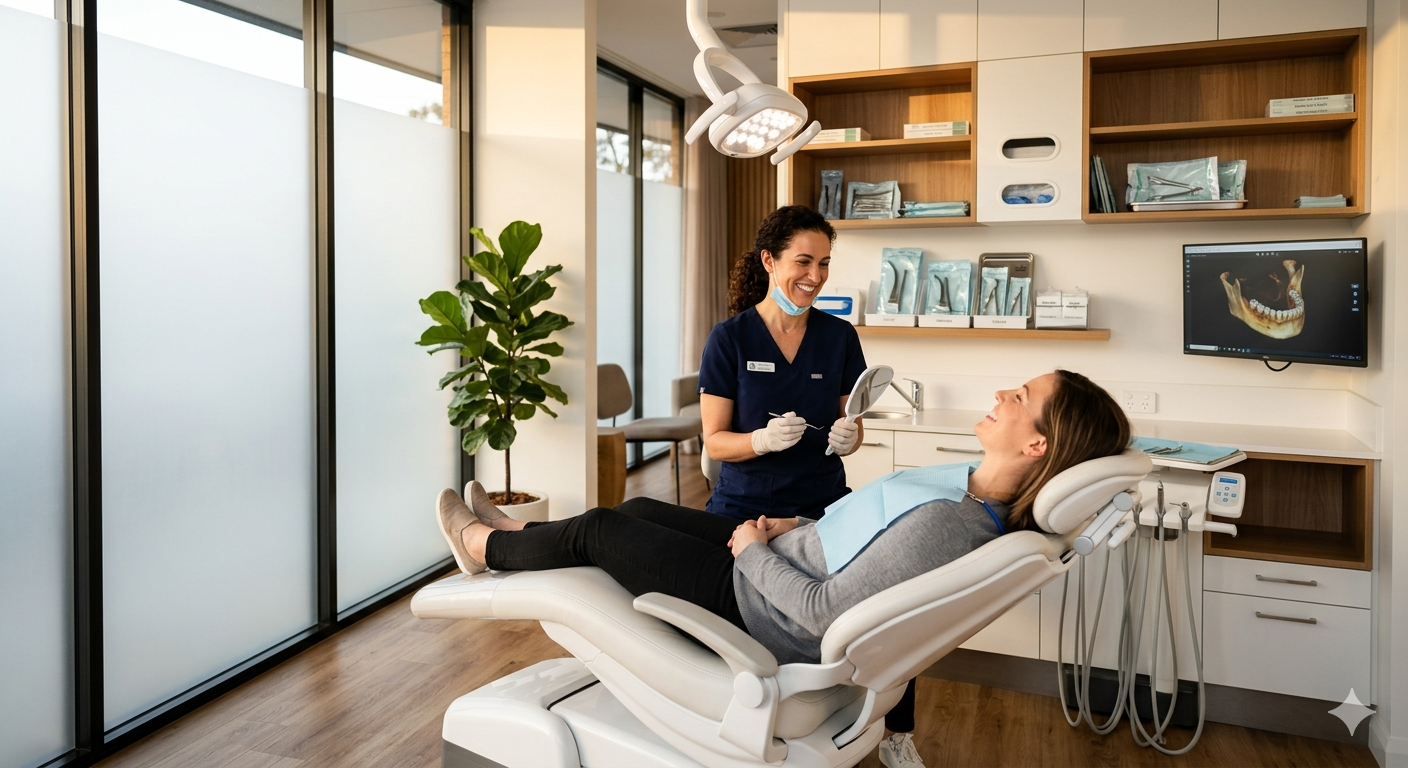
Dental emergencies can vary widely in severity and type, requiring timely attention to prevent further issues. Recognizing the signs of each emergency helps patients seek prompt care and protect their oral health.
Severe Toothaches and Sensitivity
Severe toothaches often signal underlying problems like infection, decay, or nerve damage. The pain can be sharp, throbbing, or constant, sometimes worsening when biting or exposed to hot or cold. Nail-biting or chewing hard foods may worsen the discomfort.
If left untreated, these issues can escalate into abscesses or more serious infections. Emergency dental care typically involves pain relief, infection control, and treatment of the cause—whether through fillings, root canals, or other procedures.
Broken, Chipped, or Knocked-Out Teeth
A broken or chipped tooth can cause sharp edges that irritate your cheek or tongue. Loss of tooth structure not only affects appearance but may expose sensitive inner layers, increasing pain and risk of infection.
A knocked-out tooth requires immediate action—ideally within one hour. Rinse the tooth gently with water (avoid scrubbing), keep it moist, and see a dentist quickly for potential re-implantation. Quick response improves chances of saving the tooth.
Emergency treatment focuses on cleaning, stabilizing, and restoring the tooth to prevent further damage.
Lost Fillings and Crowns
Losing a filling or crown often happens when chewing sticky or hard foods, or due to decay around the restoration. This can expose the tooth to sensitivity, pain, or damage from food particles and bacteria.
Temporary dental cement or sugar-free gum can protect the area until a dentist can replace or repair the restoration. Prompt dental visits prevent further discomfort and preserve the underlying tooth structure. Emergency dentists in Gibsonton provide quick solutions to restore function and appearance.
Recognizing Signs of Dental Urgency
Certain symptoms signal that a dental issue needs prompt attention. These include persistent pain, swelling around the mouth or jaw, and bleeding right after an injury. Identifying these signs quickly helps avoid complications and ensures timely care.
Pain That Won’t Go Away
Pain that doesn’t subside within a few hours or days is a clear sign of a dental emergency. This could mean an infection, an abscess, or severe tooth decay. The discomfort may be sharp, throbbing, or constant, often worsening when biting or touching the affected area.
Ignoring persistent pain can lead to worsening infection and greater damage. Over-the-counter painkillers might help temporarily, but professional evaluation is essential. Early treatment can preserve the tooth and prevent spreading infection.
Swelling in the Mouth or Jaw
Swelling around the mouth, face, or jaw signals inflammation, often caused by infection or injury. If swelling grows quickly or causes difficulty breathing or swallowing, it requires immediate medical care.
Localized swelling near a tooth often points to abscess or gum infection. It may be accompanied by redness or warmth. Timely drainage and antibiotics can reduce risks and ease discomfort.
Immediate Bleeding After Injury
Bleeding after a dental injury, such as a knocked-out or fractured tooth, demands urgent attention. Persistent bleeding over 15 minutes or heavy flow should be controlled by applying firm pressure with a clean cloth.
Emergency dentists can help stop bleeding, repair damage, and reduce infection risk. Prompt care improves chances of saving the tooth and restoring normal function. If bleeding is accompanied by loss of consciousness or severe pain, seek emergency services without delay.
What To Do Before Reaching the Dentist
Taking the right initial steps can make a big difference when facing a dental emergency. Quick, careful actions help reduce pain and prevent further damage while waiting for professional care.
Home Care for Pain Relief
If pain is severe, using over-the-counter pain relievers like ibuprofen can help reduce inflammation and discomfort. It’s important to avoid aspirin, as it thins the blood and might increase bleeding.
Applying a cold compress on the outside of the cheek for 15 minutes can numb the area and limit swelling. Avoid hot foods and drinks, which may worsen pain.
Rinsing the mouth gently with warm salt water keeps the area clean and helps reduce irritation. Patients should avoid brushing directly on the injured tooth or gum until seen by the dentist.
Handling and Storing a Knocked-Out Tooth
If a tooth is knocked out, it’s crucial to act fast. Hold the tooth by the crown (top) only, avoiding touching the root to prevent damage to the cells needed for reattachment.
Rinse the tooth gently with milk or saline if dirty, but do not scrub it. If possible, the patient should try to reinsert the tooth into its socket without forcing it.
If reinsertion isn’t feasible, the tooth must be kept moist. Placing it in a container with milk or the person’s saliva helps preserve it until they reach the dentist. Avoid storing it in water, which can damage the root.
How Emergency Dental Visits Work in Gibsonton
Emergency dental care in Gibsonton is designed to provide quick relief and effective treatment for urgent dental issues. Patients can expect efficient scheduling and a clear process during their visit to address pain, injury, or infection promptly.
Same-Day Appointments and Availability
Dental offices in Gibsonton often reserve slots for emergency patients, making same-day appointments common. Patients should call as soon as symptoms begin, as offices usually prioritize cases involving severe pain, swelling, or dental trauma.
Many practices offer extended hours or weekend availability, helping accommodate emergencies outside typical business times. Walk-ins may be accepted, but calling ahead improves the chance of faster service and ensures staff readiness.
It’s helpful to have your dental history and insurance info ready when calling. This speeds up check-in and helps the dentist plan the best emergency care based on individual needs.
What to Expect During Your Visit
When a patient arrives for an emergency visit, the dental team quickly assesses the situation with a focused examination. X-rays or other imaging may be used to pinpoint the problem accurately.
Treatment depends on the issue but often involves pain management, cleaning wounds, or stabilizing damaged teeth. The dentist explains each step, ensuring the patient understands the plan and feels comfortable with the process.
Follow-up care is scheduled if needed, with tailored advice on managing pain and preventing infection at home. The staff also guides patients on next steps for long-term dental health once the emergency is resolved.
Modern Treatments for Common Emergencies
Emergency dental care in Gibsonton, FL involves quick, effective solutions designed to relieve pain, restore function, and protect your smile. Treatments focus on preserving natural teeth when possible and providing comfortable options tailored to each emergency.
Dental Bonding and Restorative Solutions
When a tooth chips or cracks, dental bonding is often the first line of defense. This procedure uses a tooth-colored resin that bonds to the damaged area, restoring appearance and strength. It’s a fast, minimally invasive way to fix problems caused by accidents or sudden pressure.
For more severe damage, restorations like crowns or onlays may be necessary. These protect the remaining tooth structure and prevent further injury. The dentist carefully matches the material and shape to your natural teeth to ensure comfort and a natural look.
Bonding and restorations preserve the tooth’s integrity and can usually be completed in one or two visits, making them efficient choices for urgent repairs without sacrificing quality.
Root Canals for Infection
If a dental injury leads to infection inside the tooth, a root canal treatment may become necessary. This procedure removes infected or damaged pulp tissue from within the tooth, relieving pain and preventing spread of infection.
A root canal involves cleaning, disinfecting, and sealing the root canals to protect the tooth from future problems. Advances in technology ensure the process is as comfortable and quick as possible, often completed in a single appointment.
This treatment saves teeth that might otherwise need extraction. Its focus on pain relief and tooth preservation is vital in emergency care, especially when infection causes swelling or severe discomfort.
Gentle Extractions When Needed
Sometimes a tooth is too damaged to save, and extraction becomes the best option to prevent further pain or infection. Modern techniques prioritize patient comfort, using effective anesthesia and sedation if needed.
Extractions are performed carefully to minimize trauma to surrounding tissues. The dentist may recommend replacement options like implants or bridges after healing to restore function and appearance.
Prompt treatment following a problematic tooth can prevent complications. Choosing gentle extraction helps ensure healing goes smoothly and reduces recovery time for patients in urgent situations.
Comfort Measures for Anxious Patients
Many patients feel nervous about dental emergencies, but there are specific comfort measures that can help ease their worries and manage pain effectively. These approaches focus on minimizing discomfort and creating a supportive atmosphere throughout treatment.
Pain Management Techniques
Managing pain quickly and effectively is essential for anxious patients facing emergency dental care. Dentists often use local anesthetics to numb the affected area, ensuring that patients feel little to no pain during procedures. For increased comfort, some practices offer sedation options such as nitrous oxide (laughing gas) or oral sedatives, which help relax patients without putting them fully under.
Over-the-counter pain relievers may also be recommended before or after treatment to keep discomfort at bay. Clear communication about what pain to expect and how it will be controlled often reassures patients, helping them to stay calm during stressful moments.
Calming Environment and Support
A calming environment greatly reduces anxiety for patients in emergency dental situations. Practices in Gibsonton often create welcoming waiting areas with soft lighting, soothing music, and comfortable seating to promote relaxation before treatment begins. Friendly staff who patiently listen and explain each step can make a big difference in how comfortable a patient feels.
Support from dental team members, including gentle talking and reassurance during procedures, helps patients feel cared for and understood. Providing blankets or headphones for music can further distract and relax nervous patients, making the entire experience less daunting.
Preventing Future Dental Crises
Maintaining good oral health and avoiding injuries are key to reducing emergency dental visits. Simple daily care and protecting teeth during physical activities can prevent many common dental issues.
Daily Dental Habits That Help
Brushing teeth twice a day with fluoride toothpaste removes plaque and food particles that cause decay. Flossing daily cleans between teeth where brushes can’t reach, reducing gum disease risk.
Using an antibacterial mouthwash can further control bacteria and freshen breath. Avoiding sugary snacks and drinks helps prevent cavities by limiting acid exposure that erodes enamel.
Regular dental checkups every six months catch problems early before they become emergencies. Dentists can provide professional cleanings and advice tailored to individual needs.
Protecting Your Smile During Sports
Wearing a custom-fitted mouthguard is essential for anyone playing contact sports or high-impact activities. It cushions blows to the face and reduces the chance of chipped or knocked-out teeth.
Helmet use along with mouthguards offers added protection for the entire head and jaw. Athletes should avoid biting hard objects like ice or pens which can cause cracks.
If a tooth injury occurs, immediate action—such as holding a knocked-out tooth by the crown and seeing a dentist promptly—can save the tooth. Making mouthguards part of the game routine protects both teeth and confidence.
Choosing an Emergency Dentist in the Community
Finding the right emergency dentist involves more than just quick availability. Important factors include the dentist’s skills, equipment, and the ability to provide seamless follow-up care within the local area.
Qualities to Look For
A trustworthy emergency dentist in Gibsonton, FL, should offer immediate appointment options and flexible hours, including weekends or evenings. This ensures help is available exactly when it’s needed most.
Look for dentists who clearly communicate treatment plans and pain management options. Patient comfort is key, so facilities with a calm, clean environment and friendly staff make a big difference. Advanced technology such as digital X-rays or laser treatments supports faster and less invasive procedures.
Experience in handling a range of urgent issues—from severe toothaches to broken teeth—is essential. Reviews and referrals can provide insight into a dentist’s reliability and expertise during emergencies.
Accessing Local Support and Follow-Up Care
Continuity of care is crucial after the initial emergency is treated. Choose a dental practice within the community that offers comprehensive follow-up visits to monitor recovery and complete any necessary restorative work.
Check if the dentist coordinates with local specialists like oral surgeons or orthodontists, ensuring you won’t have to search far for additional care. Local dentists often have relationships with nearby labs and pharmacies, speeding up any needed prescriptions or prosthetics.
Community-based emergency dentists understand local needs better and can provide personalized preventive advice to avoid future dental crises. Confirm whether they accept your insurance and what emergency services are covered, avoiding surprises after treatment.
When to Visit the ER vs. Dentist
Knowing where to go during a dental emergency can save time and reduce stress. The emergency room (ER) is best for severe injuries or life-threatening situations.
For example, if someone has uncontrollable bleeding, a broken jaw, or signs of a serious infection causing swelling that affects breathing, the ER is the right place. They have the resources to handle trauma and stabilize patients quickly.
On the other hand, most toothaches, broken teeth, lost fillings, and minor infections are better treated by an emergency dentist. These professionals specialize in dental care and can provide targeted treatments like root canals, extractions, or pain management.
| Situation | Go to ER | See Emergency Dentist |
|---|---|---|
| Heavy bleeding | ✔ | |
| Broken jaw or facial fractures | ✔ | |
| Difficulty breathing or swallowing | ✔ | |
| Severe tooth pain without trauma | ✔ | |
| Knocked-out or broken tooth | ✔ | |
| Lost filling or crown | ✔ |
If someone is unsure, calling a local emergency dental clinic can help clarify where to go. Early treatment by a dentist often means less pain and fewer complications.
Encouraging patients to keep emergency contacts handy and know the signs for ER vs. dental visits can make tough situations easier to handle.
Next Steps and Reaching Out
If someone experiences a dental emergency in Gibsonton, FL, the first step is to remain calm and assess the situation. They should contact an emergency dental service promptly to get expert advice and schedule a visit if necessary. Many clinics offer same-day appointments to address urgent issues quickly.
It’s helpful to have a list of local emergency dentists saved on their phone or written down. Key information to provide when calling includes symptoms, the cause of the problem, and any pain level. This helps the dental team prepare for the patient’s arrival and provide targeted care.
When reaching out, patients can expect friendly staff ready to guide them through what to do before the appointment. They might explain immediate care steps, like rinsing the mouth or avoiding certain foods, to reduce discomfort. They also focus on patient comfort and offer options to manage pain effectively during treatment.
Here’s a quick checklist for contacting emergency dental services:
✔️ Have your ID and insurance info ready
✔️ Describe symptoms clearly and honestly
✔️ Follow staff instructions carefully
✔️ Ask about pain relief options if needed
Taking these steps helps ensure timely and effective care. It’s always better to seek professional help early rather than waiting and risking complications. If unsure, contacting a local emergency dental office is the safest choice.
Frequently Asked Questions
Emergency dental issues can happen anytime, and knowing what to do quickly can make a big difference. Understanding when to seek immediate care, managing pain at home, and handling concerns about cost and availability helps patients feel more prepared and less anxious.
What counts as a true dental emergency, and when should I be seen right away?
A true dental emergency includes severe pain, uncontrolled bleeding, knocked-out teeth, or a serious injury to the mouth. If swelling affects breathing or swallowing, immediate care is crucial. Mild discomfort or loose restorations usually don’t require urgent visits.
How can I get urgent dental care after hours, like nights or weekends?
Many emergency dentists in Gibsonton offer after-hours appointments or on-call services. Calling the local dental office or checking their website for emergency contact information can connect patients with quick care even outside regular hours.
Can I go to the ER for severe tooth pain or a dental injury, and what can they actually do?
Emergency rooms can manage pain and treat infections but usually cannot fix dental problems like broken or knocked-out teeth. They may provide antibiotics or pain medicine and recommend seeing a dentist as soon as possible.
What should I do at home if I knock out a tooth or chip a tooth before I get to a dentist?
For a knocked-out tooth, gently rinse it, avoid scrubbing, and try to place it back in the socket or keep it in milk. For chips, rinse the mouth, avoid hard foods, and protect the area until professional care is available.
How quickly can an emergency dentist relieve intense toothache pain and swelling?
Emergency dentists often see patients the same day or within 24 hours. They can quickly identify the cause and provide treatments like drainage, antibiotics, or tooth repair to ease pain and reduce swelling.
What are my options if I need emergency dental treatment but I’m worried about the cost?
Many dental offices offer payment plans, sliding scale fees, or accept dental insurance to make urgent care affordable. Discussing financial concerns upfront helps find solutions without delaying necessary treatment.