
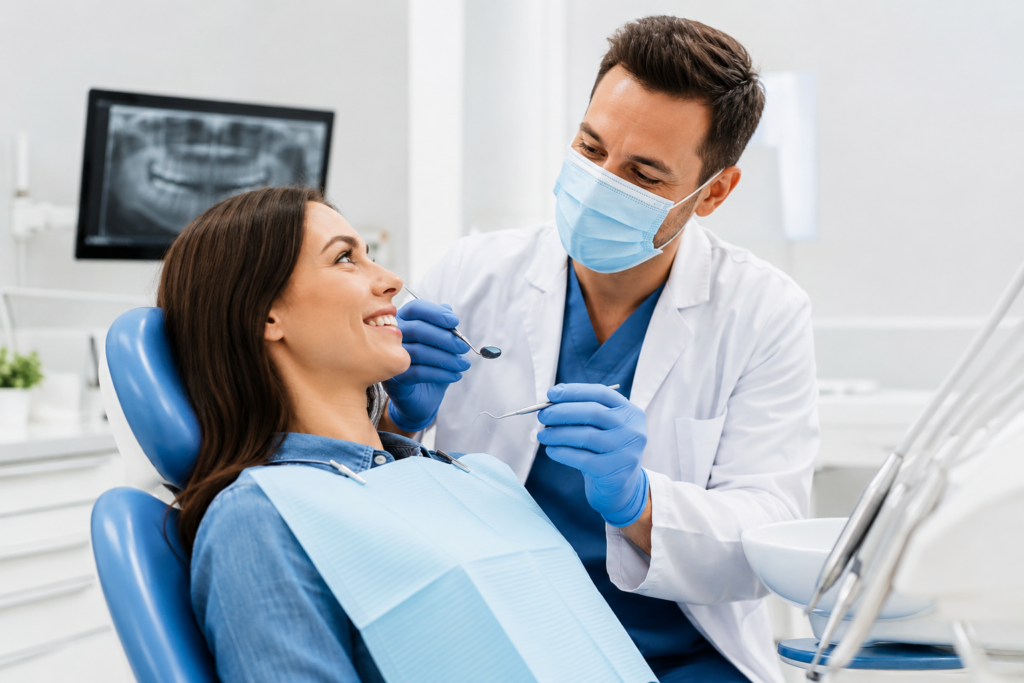
If you face a sudden toothache, knocked-out tooth, or severe oral bleeding in Apollo Beach or Gibsonton, you need prompt, skilled care you can trust. Local emergency dental services deliver fast pain relief, same-day treatment options, and guidance to prevent further damage so you can get back to daily life quickly.
They explain how to recognize true dental emergencies, what to expect during a visit, and simple at-home steps to ease pain until you arrive. The article walks through modern treatment choices, comfort-focused care, local availability, and practical prevention tips so you feel prepared and confident about next steps.
Recognizing Dental Emergencies
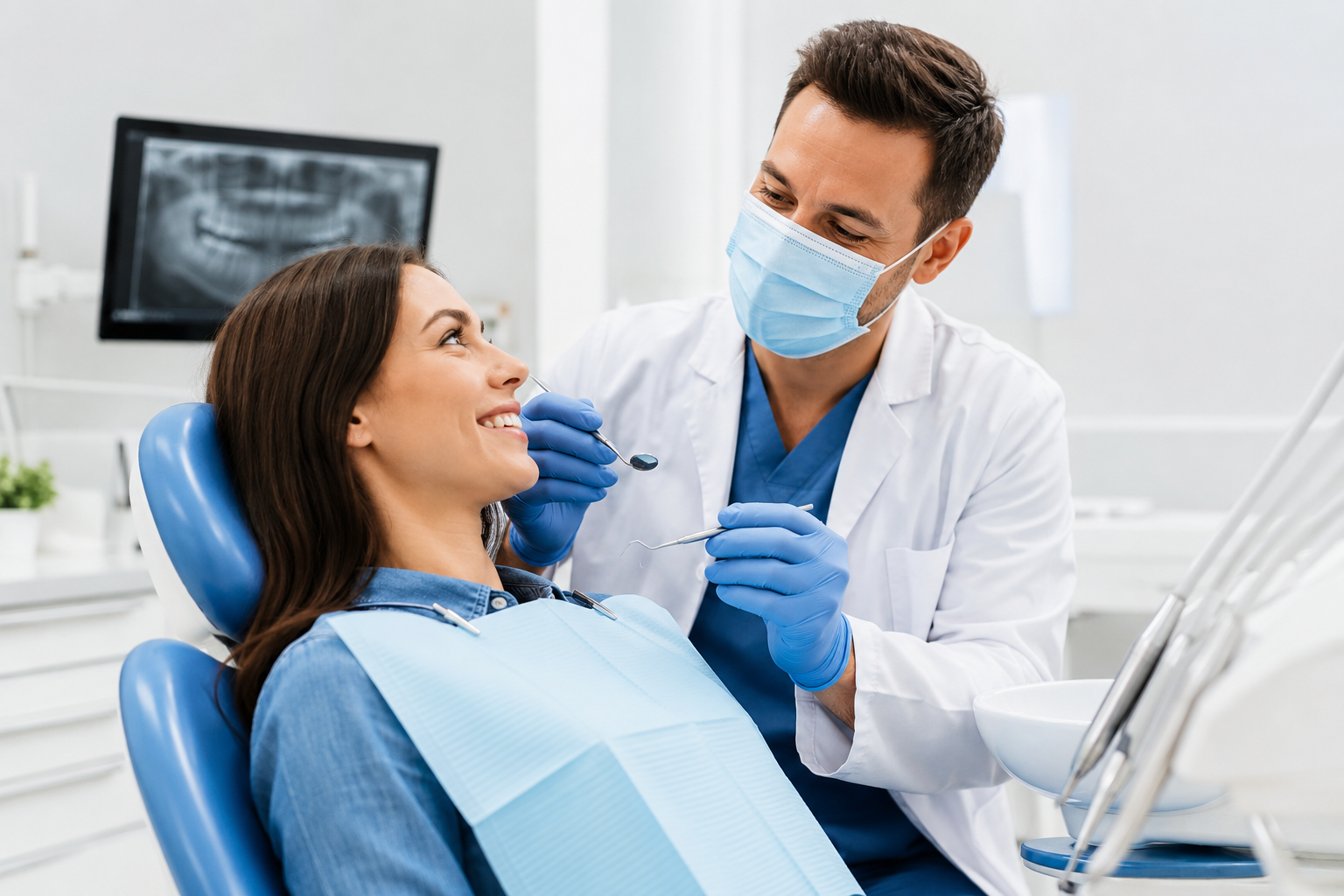
Emergency signs range from sudden, intense pain to visible tooth damage and uncontrolled bleeding. Quick recognition helps patients in Apollo Beach and Gibsonton decide when to seek same-day care and what to do before arriving.
Common Signs and Symptoms
- Severe tooth pain that wakes a patient at night or prevents normal activities often indicates deep decay, infection, or a cracked tooth.
- Swelling of the face, jaw, or gums can signal a spreading infection that may need antibiotics and drainage.
- Persistent bleeding after an injury or extraction that soaks through gauze within 20–30 minutes requires prompt attention.
- A loose or displaced tooth following trauma needs stabilization to improve the chance of saving it.
- Sensitivity to hot or cold that lingers for minutes suggests pulp involvement and possible root canal treatment.
- Signs of systemic infection — fever, swollen lymph nodes, or difficulty swallowing/breathing — demand immediate care or emergency referral.
When Immediate Care Is Needed
Patients should seek immediate dental care if they experience any severe bleeding, uncontrolled pain, or signs of spreading infection. These conditions can worsen quickly and may require antibiotics, drainage, or urgent procedures.
If a tooth is knocked out, find the tooth by the crown (avoid touching the root), rinse gently, and try to place it back in the socket or keep it moist in milk or saline while heading to the clinic. For broken fillings or crowns that expose nerve tissue, covering the area with dental cement or sugar-free gum can reduce pain until treatment. Difficulty breathing, high fever, or rapidly increasing facial swelling warrants calling emergency services before heading to the dental office.
Types of Urgent Dental Issues
- Dental abscess: localized pus around a tooth root or gum that causes throbbing pain, swelling, and often fever. Treatment typically involves drainage, antibiotics, and either root canal therapy or extraction.
- Traumatic injuries: chips, fractures, luxations, or avulsions from sports or falls require quick assessment to preserve tooth structure and function.
- Severe decay with pulp involvement: deep cavities that expose the nerve cause intense pain and sensitivity; root canal or extraction is commonly needed.
- Postoperative complications: persistent bleeding, severe pain, or signs of infection after an extraction or implant should be evaluated immediately.
- Orthodontic emergencies: broken wires or brackets that cut the mouth can be temporarily smoothed with orthodontic wax and checked promptly.
Patients benefit from knowing specific first-aid steps for each issue and when to call for same-day appointments at local clinics in Apollo Beach and Gibsonton. They should keep contact numbers for their dental office and local emergency services readily available.
What to Expect During an Emergency Visit
Patients receive clear, efficient care aimed at relieving pain, diagnosing the problem, and starting treatment the same day when possible. Staff gather medical history and insurance details quickly while clinicians focus on stabilization and a practical treatment plan.
Initial Assessment and Diagnosis
When a patient arrives, a trained receptionist confirms identity, contact information, and the nature of the dental emergency. A clinician obtains a brief medical history, including allergies, current medications, and any heart or bleeding conditions that affect treatment choices.
The dentist performs a focused exam of the mouth, teeth, gums, and jaw. They use visual inspection, palpation, percussion (tapping a tooth), and bite tests to locate pain sources. Digital X-rays or a CBCT scan may be taken to reveal fractures, root issues, or hidden infections.
Pain level and signs of infection guide immediate steps. If swelling threatens breathing or systemic infection is suspected (fever, swollen lymph nodes), the team prioritizes airway safety and may prescribe antibiotics or refer to emergency medicine. Otherwise, they control pain and plan definitive care.
Understanding Your Treatment Options
After diagnosis, the dentist explains practical options tailored to the condition, budget, and time constraints. For a cracked tooth, options might include smoothing, bonding, a temporary crown, or extraction depending on the fracture depth and tooth vitality. For severe decay with root involvement, root canal therapy or extraction are typical choices.
The clinician discusses immediate measures to reduce pain—local anesthesia, temporary fillings, or splinting a loose tooth—and outlines follow-up steps for permanent restorations. They state risks, benefits, estimated costs, and expected timelines for each option so the patient can choose confidently.
If insurance applies, the front desk provides estimates and helps with preauthorization when possible. Emergency clinics often offer same-day temporary fixes to restore function and comfort, followed by scheduled appointments for definitive restorative work.
How Dentists Prioritize Care
Dentists prioritize by threat level: airway and systemic infection top the list, then uncontrollable bleeding, severe pain, and acute swelling. Next come trauma affecting tooth stability and functional problems like inability to chew or speak comfortably.
Triage protocols determine who sees the dentist first. A patient with facial swelling and fever will be expedited; a chipped front tooth without pain may wait longer. Clinicians also consider medical conditions—patients on blood thinners or with uncontrolled diabetes may need special precautions or medical clearance.
Resources and available equipment affect sequencing. If a procedure requires a specialist or lab-made restoration, the team provides temporary protection and schedules definitive care. Staff communicate timing and expectations clearly so patients know when and how their issue will be fully resolved.
Pain Relief and At-Home Steps Until You Arrive
Keep pain and swelling controlled, preserve any broken tooth fragments, and avoid actions that could worsen the injury. Immediate steps can reduce bleeding, lower infection risk, and make treatment easier when the patient reaches the clinic.
Safe Ways to Manage Toothache
They should rinse gently with warm salt water (1/2 teaspoon salt in 8 ounces of water) to remove debris and soothe gum tissue. Avoid alcohol-based mouthwashes that can sting and irritate exposed nerves.
For pain control, over-the-counter ibuprofen (200–400 mg every 4–6 hours as needed, not exceeding 1200 mg/day without doctor approval) is preferred for inflammation and pain. Acetaminophen is an alternative for those who cannot take NSAIDs; do not exceed 3,000 mg/day unless directed otherwise.
Apply a cold compress to the outside of the cheek for 10–15 minutes on, 10 minutes off, to reduce swelling and numb pain. Do not place heat on acute swelling—it can increase bleeding and inflammation.
If a filling or crown falls out, keep the tooth fragment in milk or saline and bring it to the appointment. Avoid using household adhesives or over-the-counter dental cement unless instructed by the dentist.
Handling Swelling or Infection
If facial swelling is present, they must monitor for fever, difficulty breathing, or trouble swallowing—those signs require emergency medical attention. Localized swelling without systemic signs still needs prompt dental care to prevent spread.
Continue prescribed antibiotics exactly as directed if already given by a provider. Do not stop early when symptoms improve, and do not start someone else’s antibiotic.
Use warm salt-water rinses after 24 hours to promote drainage and keep the area clean. Gentle flossing can remove trapped food; avoid aggressive probing near a painful site.
If pus is visible or the patient feels a fluctuating “pocket,” they should avoid applying pressure or trying to lance it at home. Transport to the emergency dental clinic for professional drainage, imaging, and targeted antibiotics or procedures.
Modern Solutions for Dental Emergencies
Emergency dental clinics in Apollo Beach and Gibsonton use targeted approaches to restore function quickly, reduce pain, and protect long-term oral health. Fast assessment, tailored restorations, advanced imaging, and comfort-focused techniques work together to resolve broken teeth, severe decay, and traumatic injuries.
Restorative Procedures
Dentists prioritize restoring tooth structure and bite so patients can return to normal eating and speaking. For a fractured tooth, they commonly use composite bonding for same-day repair when the break is small, matching tooth color and preserving healthy enamel. Larger breaks or decay often require a crown; prefabricated zirconia or porcelain-fused-to-metal crowns are placed after removing decay and shaping the tooth, with digital scans speeding lab work.
When a tooth’s nerve is infected, root canal therapy removes inflamed tissue and seals canals to prevent spread of infection. In cases where a tooth cannot be saved, atraumatic extractions followed by immediate implant placement or a temporary bridge provide predictable function and esthetics. Dentists discuss cost, healing time, and longevity for each option so patients choose what fits medical needs and lifestyle.
State-of-the-Art Technology
Clinics use digital x-rays and cone-beam CT (CBCT) to visualize fractures, root anatomy, and jawbone condition with lower radiation and faster results. Intraoral scanners create accurate 3D models for crowns, bridges, and surgical guides, eliminating messy impressions and improving fit. CBCT helps plan implants precisely by mapping nerve locations and bone volume to reduce complications.
Laser dentistry treats soft-tissue injuries and reduces bacterial load with minimal bleeding and quicker healing. Same-day CAD/CAM milling systems can produce and place ceramic crowns in one visit when indicated. Electronic apex locators and rotary instruments during root canals shorten appointment time and improve cleaning of complex canals. These technologies speed diagnosis and increase the success rate of emergency treatments.
Minimizing Discomfort During Treatment
Clinics combine local anesthesia with topical numbing and patient-controlled sedation to keep procedures comfortable. For anxious patients, inhaled nitrous oxide provides light sedation with rapid recovery; oral sedatives or IV sedation are available for more complex cases after medical screening. Pain management plans include short courses of NSAIDs, acetaminophen, and targeted antibiotics only when infection is present.
Techniques like atraumatic extraction methods, minimally invasive crown preparation, and laser-assisted soft-tissue management reduce tissue trauma and postoperative pain. Dentists provide clear aftercare instructions, prescribe anti-inflammatory regimens when appropriate, and schedule follow-ups to monitor healing. Clear communication about expected sensations and recovery timelines helps patients feel prepared and more comfortable during emergency dental care.
Ensuring Your Comfort and Peace of Mind
The practice focuses on reducing fear, controlling pain, and keeping patients informed during every step of emergency dental care. Staff prioritize gentle techniques, clear explanations, and emotional support to help patients feel safe and understood.
Gentle Care for Anxious Patients
The team offers several options to minimize pain and anxiety during urgent visits. Local anesthesia with precise, buffered injections reduces sting and onset time. For more severe anxiety or prolonged procedures, nitrous oxide (laughing gas) and oral sedatives are available after a brief medical screen.
Clinicians use distraction and desensitization techniques, such as explaining each step before touching the mouth and giving short breaks on request. Children and adults with dental phobias can request slow introductions to instruments and a parent or support person in the room when appropriate.
The office maintains small, calming treatment rooms with soft lighting and noise-reduction measures. Staff train regularly in gentle handling, short appointment pacing, and adaptive communication to lower heart rate and increase cooperation.
Communication and Emotional Support
Front-desk staff triage calls within minutes and collect medical history to tailor the visit before arrival. Patients receive clear, written consents and procedure outlines, including expected pain levels, recovery time, and follow-up instructions.
Dentists speak plainly about diagnosis and options, showing intraoral photos or X-rays when possible so patients can see the issue. They discuss costs and insurance estimates up front and offer payment plans or sliding-scale options for eligible emergency treatments.
Emotional support includes validating patient concerns, offering relaxation suggestions (breathing exercises, hand squeezes), and arranging short post-treatment check-ins by phone. For ongoing anxiety, the practice coordinates with primary care or mental health providers to ensure comprehensive care.
Availability of Services in Apollo Beach and Gibsonton
Dental practices in Apollo Beach and Gibsonton offer regular weekday hours, some early mornings, and a mix of evening or weekend slots to handle urgent issues. Many clinics maintain on-call dentists for true emergencies and coordinate with nearby urgent care centers and hospital ERs when necessary.
Office Hours and After-Hours Care
Most general dental offices in the area open between 8:00 AM and 9:00 AM and close between 5:00 PM and 6:00 PM on weekdays. Several practices provide early appointments at 7:30 AM for commuters and a limited number stay open until 7:00 PM one or two evenings weekly for routine care and minor urgent needs.
Weekend availability varies: some offices offer Saturday morning hours, while others close weekends entirely. After-hours emergency coverage typically comes from rotating on-call dentists who handle pain, swelling, severe bleeding, and trauma; patients should confirm whether the clinic charges an emergency fee. For conditions requiring imaging or IV sedation, appointments often shift to hospital-affiliated clinics with broader resources.
How to Reach Your Local Dentist Quickly
Call remains the fastest method: most clinics publish a primary phone number and an emergency line on their websites and Google Business profiles. Text messaging and secure patient portals are increasingly available for non-urgent triage, but they may not guarantee immediate response for acute pain or bleeding.
For life-threatening issues—excessive bleeding, airway obstruction, or severe trauma—patients should dial 911. For severe dental pain, swelling threatening breathing, or fever with tooth pain, contacting the dental office’s emergency line, then heading to the clinic or an ER as advised, provides the most appropriate care path. Keep the clinic’s address, office hours, and after-hours instructions saved on your phone for quick access.
Preventing Future Dental Emergencies
Regular care and simple daily habits reduce the chance of emergency visits. Scheduling routine exams, protecting teeth during activities, and addressing small problems early keep smiles stable and comfortable.
Importance of Regular Check-Ups
Patients benefit most from twice-yearly dental exams and cleanings unless a dentist prescribes a different schedule. During these visits, clinicians check for cavities, gum disease, loose restorations, and signs of bruxism that often precede emergencies.
Digital X-rays and intraoral photos help detect hidden cracks, recurrent decay under crowns, or root issues before they become acute. Professional cleanings remove tartar that causes periodontal pockets and tooth mobility.
A dentist can adjust occlusion, replace failing fillings, and provide targeted fluoride or sealants to strengthen vulnerable teeth. For patients with medical conditions or medications that increase oral risk, more frequent check-ups and coordinated care with physicians reduce emergency risk.
Tips for Protecting Your Smile
Adopt a daily routine: brush twice with a soft-bristled brush and fluoride toothpaste, floss once daily, and use an antimicrobial rinse if recommended. These steps cut decay and gum inflammation, common emergency triggers.
Wear a custom nightguard if grinding is diagnosed; it prevents fractures and tooth wear. Use a fitted sports mouthguard for contact sports to avoid tooth avulsion and jaw injuries.
Avoid using teeth as tools to open packages or bite hard items such as ice, unpopped popcorn kernels, or pens. Keep a small emergency kit at home with dental wax, gauze, and the dentist’s after-hours number.
Schedule prompt treatment for cracked teeth, persistent toothache, swelling, or a loose crown. Early intervention often lets the dentist save the tooth with a filling, crown, or root canal rather than extraction.
For personalized advice, patients should contact their local Apollo Beach–Gibsonton dental office to set exams, request protective appliances, or discuss medications that affect oral health.
Supporting Your Family’s Dental Health
Families in Apollo Beach and Gibsonton can build strong dental habits that prevent many emergencies. Regular checkups, routine cleanings, and prompt treatment of small issues reduce the chance of sudden pain or infection.
They should establish a simple home routine: brush twice daily with fluoride toothpaste, floss once daily, and limit sugary snacks and drinks. Children benefit from parental supervision until about age 8, and fluoride varnish or sealants can add extra protection.
When a dental emergency happens, knowing where to go and who to call eases stress. Keep a list with your dentist’s emergency number, local urgent dental clinics, and nearby hospitals; store it on the fridge or in your phone for quick access.
Consider scheduling family appointments together to save time and ensure everyone stays up to date. Many practices offer flexible hours, payment plans, and comfort options like nitrous oxide or sedation for anxious patients.
Use this quick checklist to support daily care:
- Brush: 2× daily with fluoride toothpaste
- Floss: 1× daily or use interdental cleaners
- Diet: limit sugary and acidic foods
- Visits: dental exam every 6–12 months
- Emergency plan: keep contact numbers handy
They should ask the dental team about preventive treatments and pediatric care tailored to each child’s needs. A proactive approach minimizes emergencies and keeps smiles healthy and comfortable.
Contact the local dental office to discuss personalized prevention plans or to schedule a family visit.
Next Steps: Let’s Take Care of Your Smile Together
They should call the clinic as soon as possible if they experience severe pain, bleeding, swelling, or a knocked-out tooth. Staff will triage the situation, explain immediate self-care steps, and arrange the fastest available appointment.
Upon arrival, the team will perform a focused exam and take necessary X-rays to diagnose the issue. Treatment options—such as pain control, antibiotics, temporary restoration, or same-day repair—will be explained clearly so patients can make informed choices.
Patients may receive a short-term fix that stabilizes the tooth and relieves pain, followed by a plan for definitive care. The dentist will discuss timelines, costs, and alternatives, emphasizing comfort and preservation of the natural tooth whenever possible.
Practical next steps to prepare for a visit:
- Bring photo ID, insurance card, and a list of current medications.
- Note when the problem started and any recent injuries or treatments.
- Follow any pre-visit instructions given by staff (e.g., avoid eating if sedation is planned).
They should expect follow-up communications to monitor healing and adjust care if needed. For non-urgent concerns, scheduling a same-week appointment helps prevent escalation and supports long-term oral health.
If questions remain, staff encourage calling the clinic or sending a message to clarify treatment details or financial options.
Frequently Asked Questions
These answers cover when to seek same-day care, immediate steps for knocked-out teeth, safe home pain relief, causes of sudden swelling that need urgent treatment, after-hours options, and what happens during an urgent visit.
What counts as a true dental emergency, and when should I seek same-day care?
A true dental emergency involves active bleeding, severe uncontrolled pain, facial swelling that affects breathing or swallowing, a knocked-out permanent tooth, or trauma with jaw fracture signs. Seek same-day care for any of these situations.
Moderate pain or a lost filling without bleeding can often wait 24–48 hours but still merits prompt dental contact. If in doubt, call a local emergency dental clinic for triage.
If my tooth is knocked out, what should I do in the first 30 minutes before I get to a dentist?
Handle the tooth by the crown only; avoid touching the root. If dirty, rinse gently with milk or saline for 10 seconds — do not scrub or use soap.
Try to reinsert the tooth into the socket and hold it in place, or keep it submerged in milk or saliva and get to the dentist immediately. Time is critical: success falls significantly after 30–60 minutes.
How can I quickly calm severe tooth pain at home until I’m seen by a professional?
Take over-the-counter ibuprofen or acetaminophen at recommended doses unless contraindicated. Apply a cold pack to the cheek for 10–15 minutes to reduce swelling and numb pain.
Avoid aspirin directly on gums or the tooth. Rinse with warm salt water to clean the area and use clove oil on a cotton swab for temporary numbing if available.
What are the most common reasons for sudden tooth swelling, and why does it need urgent attention?
Sudden swelling often signals an abscess (bacterial infection), cellulitis, or spreading infection from a failed root canal or deep decay. Swelling can progress rapidly and compromise breathing or systemic health.
Urgent attention stops infection spread, relieves pain, and prevents complications such as sepsis or tooth loss. Dentists may prescribe antibiotics and perform drainage or definitive treatment promptly.
Can I get help after hours or on weekends for a broken tooth, lost filling, or cracked crown?
Many Apollo Beach–Gibsonton practices and regional dental groups offer after-hours emergency lines, weekend clinics, or on-call dentists. Urgent-care dental centers and hospital emergency departments can provide temporary relief if a dental office is closed.
Call the local dental office or check its website for after-hours instructions and emergency contact numbers. Keep any broken pieces in a clean container and bring them to the appointment.
What should I expect during an urgent dental visit, including X-rays, treatment options, and costs?
The dentist will review medical history, examine the mouth, and usually take diagnostic X-rays to assess fractures, root involvement, or infection. Treatment may include pain control, temporary or permanent restorations, root canal therapy, tooth reimplantation, antibiotics, or extraction depending on findings.
Costs vary by procedure, with emergency exams and X-rays typically billed separately; many practices provide estimates and explain insurance coverage or payment options before proceeding. Patients should ask for a clear treatment plan and cost breakdown during triage.