
You want clear, local guidance on pediatric dental care in Gibsonton and practical steps you can take today to protect your child’s smile. Find a pediatric dentist who makes visits comfortable, focuses on prevention, and offers modern treatments close to home so your child gets the right care at the right time.
The article explains why early oral health matters, what a first dental visit looks like, common preventive treatments and cavity solutions, and how to build healthy habits at home. It also highlights local resources and recent advances in pediatric dentistry so you can make informed choices for your child’s comfort and long-term oral health.
Why Early Oral Health Matters
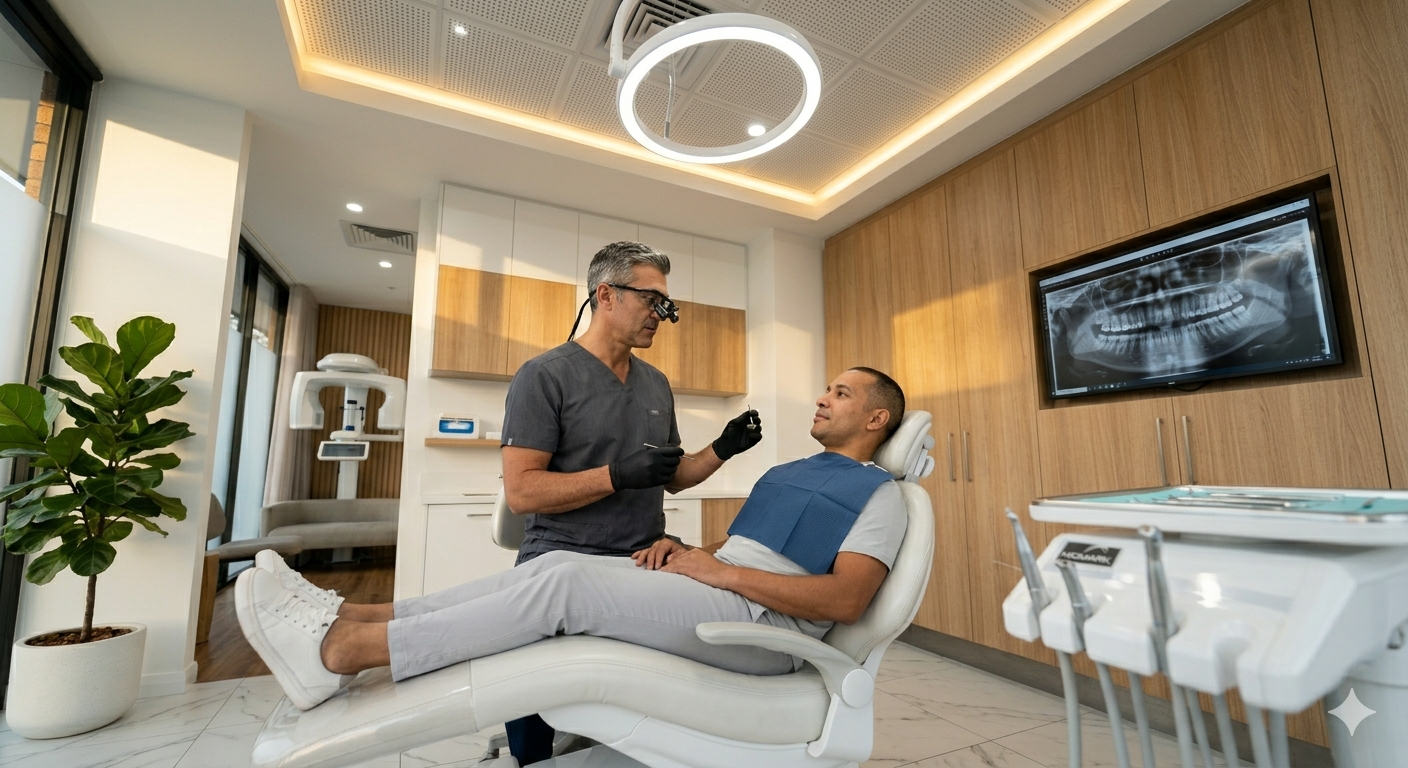
Early care sets habits and prevents problems that affect eating, speech, and school performance. Regular checkups, fluoride use, and simple daily routines reduce infections and the need for complex treatment later.
Long-Term Benefits for Kids
Early dental visits build a foundation for lifelong oral health. Regular exams from the first tooth help dentists detect enamel defects, developmental issues, and bite problems when they are easiest to treat. Treating problems early can avoid orthodontic expansion, extractions, or extended restorative work in adolescence.
Good oral health also supports overall development. Healthy teeth make it easier for children to chew a varied diet, which supports nutrition and growth. Fewer cavities mean less dental pain and fewer missed school days, improving concentration and social confidence.
Early preventive care creates lower long-term costs. Routine cleanings, fluoride varnish, and sealants are far less expensive and invasive than crowns, root canals, or dental surgery. Parents who invest in preventive visits often see fewer emergency visits and simpler treatment plans as children grow.
Preventing Tooth Decay
Tooth decay starts when plaque and sugar interact on developing enamel; young enamel is softer and more vulnerable. Professional fluoride applications strengthen enamel quickly, while dental sealants protect biting surfaces of molars from decay for years.
Daily habits make a major difference. Brushing twice daily with a smear (infants) or pea-sized (children) fluoride toothpaste and flossing once teeth touch removes plaque before it causes cavities. Limiting sugary drinks — including juice and sippable milk — and avoiding overnight bottles reduces prolonged acid exposure.
Regular dental checkups include risk assessment and targeted interventions. A pediatric dentist can apply varnish, monitor early lesions, and recommend dietary changes or x-rays when needed. Quick, conservative treatments at early stages preserve tooth structure and reduce the chance of pain or infection.
The Role of Family Habits
Parents shape routines and attitudes about oral care from infancy through adolescence. Modeling brushing and making it a predictable part of morning and bedtime routines helps children adopt lasting habits. Supervised brushing until about age 7–8 ensures technique and fluoride use are effective.
Household choices influence decay risk. Choosing water over sugary drinks, keeping snacks limited to meal times, and offering tooth-friendly foods (cheese, plain yogurt, crunchy vegetables) lower cavity risk. Using child-appropriate toothbrushes and replacing them every three months keeps brushing effective.
Family dental visits reinforce positive behavior and reduce fear. When caregivers attend appointments and follow home-care recommendations, children receive consistent messages about prevention. Pediatric dentists also guide caretakers on pacifier use, thumb-sucking strategies, and timing for orthodontic evaluations to support healthy development.
If questions arise about starting care, fluoride, or managing decay, contact a local pediatric dental office for a consultation or to schedule a first visit.
First Dental Visits: What Parents Should Expect
Parents learn how to prepare their child, choose a dentist who prioritizes comfort, and what clinical steps happen during the visit. Expect a calm, short visit focused on prevention, trust-building, and simple education for both child and caregiver.
Choosing the Right Pediatric Dentist
Parents should verify that the dentist is a board-certified pediatric dentist or a general dentist with pediatric experience. Look for staff trained in child behavior guidance, offices with small-child-sized equipment, and clear infection-control policies.
Call ahead to ask about first-visit routines, average appointment length (often 20–30 minutes), and whether parents may sit with the child. Confirm the office accepts your insurance or offers clear self-pay pricing.
Read recent patient reviews that mention gentle care and successful first visits. Tour the office if possible; friendly staff, toys or books in the waiting area, and exam rooms with child-friendly decor often signal a practice experienced with young patients.
Comforting Anxious Children
Parents should model calm behavior; children pick up on tone and body language. Use brief, honest explanations like “the dentist will count teeth” rather than saying “it won’t hurt,” which can backfire if the child feels discomfort.
Bring a familiar comfort item—blanket, stuffed animal, or favorite book—to help the child feel secure. Schedule the appointment at the child’s best time of day (after nap and before mealtime) to improve cooperation.
Ask the office about behavior guidance techniques they use, such as tell-show-do, positive reinforcement, or distraction. For severe anxiety, inquire whether they offer nitrous oxide or refer to specialists who use sedation safely for children.
What Happens During the Appointment
The visit usually begins with a brief medical and dental history review and any caregiver concerns. The clinician performs a gentle exam of teeth, gums, bite, and oral tissues, often while the child sits on the parent’s lap.
Expect a professional cleaning if the child tolerates it; the hygienist may use a soft brush and minimal suction. The dentist will check for decay, review fluoride needs, and discuss dietary or brushing tips tailored to the child’s age.
Providers will give specific, actionable home-care steps—how to brush a toddler’s teeth, recommended toothpaste amount by age, and timing of the next visit. If needed, the office will schedule follow-ups, sealants, or fluoride treatments and explain costs and insurance coverage.
Preventive Treatments for Children
Preventive care focuses on stopping cavities, strengthening enamel, and keeping mouths healthy with simple, evidence-based treatments. These measures are quick, safe, and tailored to a child’s age, risk level, and comfort needs.
Dental Sealants Explained
Dental sealants are thin, protective coatings painted into the grooves of molars to block food and bacteria. A dental hygienist or pediatric dentist first cleans and dries the tooth, applies a mild etchant for 15–30 seconds, rinses, and then bonds the resin sealant with a curing light; the whole process typically takes 5–10 minutes per tooth.
Sealants reduce decay risk by sealing pits and fissures where toothbrush bristles can’t reach. They last several years and are easy to inspect and repair during routine visits. Sealants suit children as soon as permanent first molars erupt (around age 6) and are recommended for higher-risk kids regardless of age.
Fluoride Applications
Professional fluoride treatments use a concentrated topical gel, foam, or varnish to strengthen enamel and reduce acid-driven decay. The dentist applies the substance to clean teeth for a short period—varnishes set quickly and require no rinsing, while gels and foams are timed and removed after a minute or two.
Fluoride promotes remineralization of early enamel lesions and lowers cavity incidence, especially in children with frequent sugar exposure or limited fluoride from other sources. Frequency depends on risk: twice-yearly for low-risk kids, every three months for high-risk cases. Caregivers should avoid eating or brushing for 30–60 minutes after varnish to maximize uptake.
Professional Cleanings
Professional cleanings (prophylaxis) remove plaque, tartar, and surface stains that brushing at home can miss. A hygienist uses ultrasonic scalers and hand instruments, followed by polishing and flossing, while monitoring eruption patterns and any early signs of decay or gum inflammation.
Cleanings also give the dental team a chance to reinforce daily care techniques and to apply polish or fluoride as needed. For most children, hygienist visits are every six months; children with orthodontic appliances, special needs, or a history of rapid decay may need more frequent cleanings and targeted home-care plans to maintain oral health.
Cavity Care and Treatment Solutions
Cavity care focuses on removing decay, restoring tooth function, and keeping young smiles comfortable. Treatments balance effectiveness with gentle techniques to reduce anxiety and preserve as much healthy tooth structure as possible.
Gentle Filling Procedures
Dentists in Gibsonton use tooth-colored composite fillings that match enamel and bond directly to the tooth, reducing the need for extensive drilling. They remove decayed material with high-speed instruments or air abrasion, then etch and bond the composite in layers, curing each layer with a blue light to ensure a durable restoration.
Local anesthetic or topical numbing gel minimizes discomfort; for very anxious children, nitrous oxide (laughing gas) provides mild sedation while remaining safe and reversible. Post-treatment instructions include avoiding hard foods for 24 hours and practicing gentle brushing and flossing to protect the new filling.
Parents should ask about size and location of the cavity, expected lifespan of the filling, and fluoride or sealant follow-up to prevent recurrence. The office documents restorations and schedules recall visits to monitor wear and growth-related changes that might affect the filling.
Minimally Invasive Techniques
Minimally invasive care focuses on preserving healthy tooth structure and preventing future decay through techniques like silver diamine fluoride (SDF), resin infiltration, and selective caries removal. SDF arrests decay in primary teeth quickly with a simple topical application, often used when a child cannot tolerate a filling right away.
Resin infiltration halts early enamel lesions by penetrating and reinforcing enamel pores, avoiding drilling for small interproximal cavities. Selective caries removal removes only softened dentin, leaving firm tooth structure and reducing pulp exposure risk, which lowers the chance of needing a pulpotomy or extraction.
Clinics combine these techniques with behavior management, fluoride varnish, and dental sealants to create a preventive plan tailored to the child’s cavity risk. Parents should discuss candidacy, aesthetic effects (SDF can darken treated spots), and follow-up intervals to maintain long-term oral health.
Developing Healthy Dental Habits at Home
Small daily routines protect teeth, prevent cavities, and make dental visits easier. Parents can use clear steps and simple tools to build consistent habits that fit family schedules.
Brushing and Flossing Tips
Parents should use a soft-bristled, child-sized toothbrush and a pea-sized amount of fluoride toothpaste for children ages 3 and up. For younger toddlers, use a rice-grain-sized smear of fluoride toothpaste and supervise brushing until at least age 6 to ensure technique and safety.
Teach a two-minute routine: 30 seconds per quadrant, gentle circular motions, and brushing along the gumline. Use a timer, a song, or an app to make two minutes predictable. Replace toothbrushes every 3–4 months or sooner if bristles splay.
Introduce flossing once two teeth touch. Use floss picks or looped floss holders for easier handling. Parents should floss for children until they can manipulate floss independently, typically around age 8–10. Reward consistency with a sticker chart rather than sugary treats.
Managing Sugary Snacks
Limit between-meal sugary snacks and sticky foods that cling to teeth, such as gummy candies and dried fruit. Offer teeth-friendly alternatives like raw vegetables, cheese, yogurt, or whole fruit slices that stimulate saliva and lower cavity risk.
Schedule snacks rather than allowing constant grazing; aim for two to three snack times a day. When juice is offered, keep portions small (4–6 ounces) and serve with meals to reduce acid exposure. Water is the best drink between meals and helps rinse away sugars.
If a child consumes a sugary or acidic item, encourage drinking water and waiting 30–60 minutes before brushing to protect enamel. For children at higher cavity risk, ask the dentist about topical fluoride treatments or dental sealants as preventive measures.
Addressing Childhood Dental Issues
This section explains practical steps for common dental emergencies and habits that affect development. It gives specific, actionable advice parents can use immediately and discuss with their dentist.
Handling Toothaches and Injuries
For sudden tooth pain, parents should first rinse the child’s mouth with warm water and check for obvious food debris or a visible cavity. If swelling or a fever appears, they should contact the dental office and seek medical care because infection may be present.
If a tooth is knocked out, locate the tooth by the crown (avoid touching the root), rinse it gently with saline or milk if dirty, and try to reinsert it into the socket within 30–60 minutes. If reinsertion isn’t possible, keep the tooth in milk or the child’s saliva and bring it to the dentist immediately; timely reimplantation improves the chance of saving the tooth.
For cracked or chipped teeth, save any fragments and bring them to the appointment. The dentist will assess nerve involvement with a quick exam and X-ray, then recommend bonding, a crown, or monitoring depending on the damage. Pain can be managed with age-appropriate ibuprofen or acetaminophen per dosing guidelines; avoid aspirin for children.
Emergency contact information, a list of current medicines, and the child’s last dental visit note help the dental team act faster. Document the time of injury and any symptoms to provide clear details at the appointment.
Thumb Sucking and Pacifier Advice
Thumb sucking and pacifier use are normal for infants and toddlers but can affect bite alignment if they persist beyond age 3–4. Dentists evaluate the intensity (how hard and how often) and the child’s age to decide if intervention is needed.
For children under 2, reassurance and gentle redirection usually suffice; most stop on their own. For ages 2–4, introduce positive reinforcement: a sticker chart, praise for pacifier-free naps, or substituting a soft comfort object. Consistency at home and daycare is crucial to success.
If the habit continues past 4, the dentist may recommend orthodontic evaluation or simple appliances (such as a removable habit reminder) to prevent open bite or protrusion. Behavior-focused strategies combined with dental monitoring often avoid the need for invasive treatment. Discuss customized timing and options during routine visits to balance developmental readiness and dental health.
If parents have concerns, they should bring examples (photos of the bite or a short video of the habit) to the appointment to help the dentist plan targeted advice and interventions.
Modern Advances in Pediatric Dentistry
This section highlights comfort-focused technology and care models that reduce anxiety, improve diagnostics, and involve families in treatment decisions. Expect specifics on tools, materials, and workflows that pediatric practices in Gibsonton use to make visits faster, safer, and more child-friendly.
Child-Friendly Technologies
Digital X-rays cut radiation exposure by up to 80% compared with film and provide immediate images on a chairside monitor so clinicians can explain findings to parents and children. Intraoral cameras and magnification allow clinicians to show decay, enamel defects, or trauma in real time, which helps children understand procedures and reduces fear.
Laser dentistry treats soft-tissue issues and small cavities with less bleeding and often without injections, shortening procedures and recovery. Silver diamine fluoride (SDF) offers a non-invasive option to arrest decay in primary teeth when fillings aren’t feasible; clinicians typically discuss aesthetic trade-offs with parents beforehand.
Behavior-friendly clinic design includes kid-sized equipment, noise-reducing headphones, and tablet distraction systems with educational games. Sedation options range from nitrous oxide for mild anxiety to conscious sedation for more complex needs, with strict monitoring protocols and pediatric-trained staff.
Family-Centered Care Approach
Practices now schedule extended first visits to build rapport with both child and caregiver, allowing time for behavior guidance, oral hygiene coaching, and personalized prevention plans. Clinicians use calibrated risk assessments—based on diet, fluoride exposure, development, and socioeconomic factors—to tailor recall intervals and fluoride therapy for each child.
Shared decision-making involves clear, parent-facing educational materials: printed care plans, before-and-after photos, and short videos demonstrating brushing techniques for specific age groups. Insurance navigation and flexible payment options are commonly offered to remove financial barriers to preventive care and timely treatment.
Follow-up communication often uses text reminders and secure patient portals for questions and photos of healing or concerns. This continuity reduces missed appointments, improves adherence to home care, and supports early intervention when new issues arise.
Community Resources in Gibsonton
Local clinics and health centers help families access affordable pediatric dental care. Hillsborough County Health Centers offer low-cost preventive services and referrals for children who need more specialized treatment.
Schools and early childhood programs in Gibsonton often partner with dental outreach teams. These programs provide screenings, fluoride varnish, and educational materials that teach children simple habits like brushing twice a day.
Nonprofit organizations and community partners connect families with insurance navigation and transportation help. United Way and similar groups can guide caregivers to Medicaid/CHIP enrollment and local sliding-fee clinics.
Parents will find helpful materials at the public library and community centers. Libraries often host health workshops and keep printed guides on oral hygiene, teething, and choosing a pediatric dentist.
Quick reference (local resource snapshot):
- Hillsborough County Health Centers — low-cost pediatric dental services and referrals.
- School-based dental programs — screenings and preventive treatments at schools.
- United Way & local nonprofits — help with insurance and access to care.
- Gibsonton Public Library — educational resources and occasional health events.
Families who want personalized help can contact these resources directly or ask their pediatric dentist for local referrals. Encourage caregivers to schedule preventive visits early and ask questions about comfort measures and modern treatment options.
Helping Kids Grow Up Smiling
Pediatric dentists in Gibsonton focus on building trust, comfort, and healthy habits from a young age. They use gentle techniques and kid-friendly language so visits feel calm and positive for both children and parents.
Preventive care takes center stage: cleanings, fluoride treatments, and sealants help stop cavities before they start. Regular checkups also let clinicians catch growth or bite concerns early, which often simplifies treatment later.
Care teams explain dental health in simple, relatable terms. They show brushing and flossing steps with models or fun tools, making at-home routines easier for families to follow.
Many offices offer modern comforts like warm blankets, distraction tools, and behavior guidance to reduce fear. These measures minimize stress and make procedures—when needed—quicker and less traumatic.
Parents get clear guidance on nutrition, teething, pacifier use, and injury prevention. Practical tips include limiting sugary drinks, supervising brushing until age 7–8, and using fluoride toothpaste in the correct amount.
Common services include:
- Routine exams and cleanings
- Fluoride and sealants for cavity prevention
- Growth and orthodontic evaluations
- Emergency care for tooth injuries
Families are encouraged to ask questions and schedule a first visit around a child’s first birthday or when the first tooth appears. A friendly call or visit helps match a child with the right team and starts a lifetime of confident smiles.
Frequently Asked Questions
Parents find practical answers about timing for first visits, ways to reduce anxiety, daily care routines, preventive treatments like sealants and fluoride, emergency steps after hours, and tips for selecting a child-friendly pediatric dentist.
When should I schedule my child’s first dental visit, and what will happen during that appointment?
Schedule the first visit by the child’s first birthday or within six months of the first tooth eruption.
The appointment includes a gentle exam of teeth, gums, and bite, plus guidance on feeding, pacifier use, and home care.
The dentist will check for developmental concerns and early decay.
They often demonstrate brushing on the child and advise a schedule for follow-ups.
How can I help my child feel calm and comfortable if they’re nervous about the dentist?
Prepare the child with short, positive explanations about what the dentist will do.
Read books or watch videos about dental visits that model calm behavior.
Bring a favorite toy or blanket to the appointment for comfort.
Ask the office about child-friendly rooms, distraction tools, and whether a parent can sit nearby during treatment.
What are the best everyday brushing and flossing tips for toddlers and young kids?
Use a smear (rice-sized) amount of fluoride toothpaste for children under 3, and a pea-sized amount from ages 3 to 6.
Brush twice daily for two minutes, supervising until the child can brush effectively alone (often around 6–8 years).
Begin flossing once adjacent teeth touch, usually between ages 2–4.
Use floss holders or interdental brushes if that makes the routine easier.
Do dental sealants and fluoride treatments really help prevent cavities, and are they safe for children?
Yes. Dental sealants shield chewing surfaces from plaque and reduce cavities by up to 80% on treated teeth.
Topical fluoride treatments strengthen enamel and lower decay risk when applied in-office as recommended.
Both treatments have strong safety records when used at age-appropriate doses.
The dentist will tailor recommendations based on the child’s cavity risk and medical history.
What should I do if my child has a toothache, chipped tooth, or dental emergency after hours?
For severe pain, uncontrolled bleeding, or a knocked-out permanent tooth, seek emergency care promptly.
If a permanent tooth is knocked out, rinse it gently, avoid scrubbing, and try to reinsert it; otherwise keep it moist in milk and get to a dentist within an hour.
For minor chips or loose baby teeth, call the pediatric dentist’s after-hours line for specific instructions.
They will advise pain control, whether immediate care is needed, and next steps for follow-up.
How do I choose the right pediatric dentist for my child, and what should I look for in a family-friendly office?
Look for a dentist with pediatric training, positive reviews from local families, and office photos showing child-focused equipment.
Confirm the practice offers behavior management techniques, sedation options if needed, and clear communication about costs and insurance.
Visit the office to check cleanliness, staff friendliness, and whether the team explains procedures in simple terms.
A good pediatric dentist emphasizes prevention, comfort, and partnership with parents to keep children healthy and relaxed at each visit.