
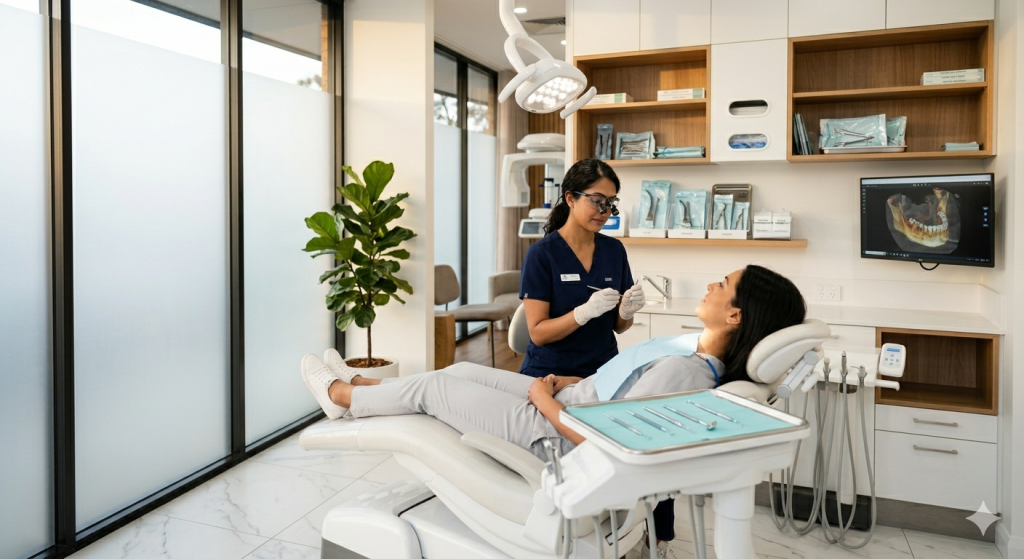
When dental emergencies happen, finding quick, reliable care is crucial. In Gibsonton, FL, emergency dentists are ready to handle issues like sudden toothaches, broken teeth, or injuries with prompt and effective treatment. An emergency dentist in Gibsonton provides same-day care to relieve pain and prevent further damage.
These dentists use modern techniques to make patients comfortable and restore dental health efficiently. Whether it’s a severe toothache or a knocked-out tooth, they offer clear guidance on managing the problem and what to expect during treatment.
Knowing where to turn during a dental emergency can reduce stress and ensure the best outcome. Patients in Gibsonton can count on local experts who prioritize their comfort and recovery.
Recognizing Dental Emergencies
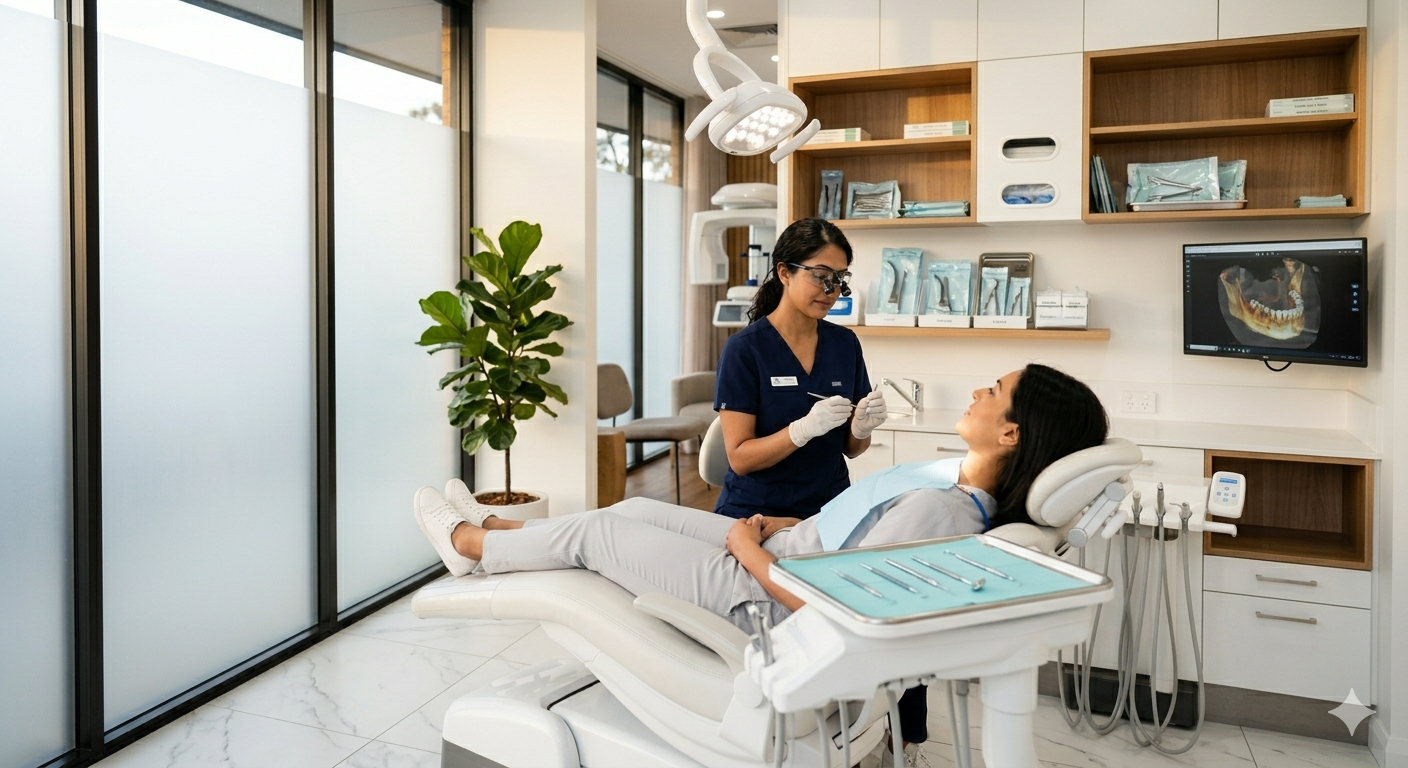
Knowing the signs of urgent dental issues helps people act quickly to protect their oral health. Understanding when to seek immediate care and the risks of waiting can prevent complications and ensure better outcomes.
Common Signs of Urgent Dental Problems
Severe tooth pain, especially if sudden and persistent, indicates a possible infection or nerve damage. Swelling in the gums or face can signal an abscess, which requires prompt treatment to avoid spread.
Other signs include broken or knocked-out teeth, uncontrolled bleeding after an injury, and a loose tooth caused by trauma. Sensitivity to hot or cold that worsens quickly may also suggest a deeper problem.
Patients might notice a bad taste or odor in the mouth, fever, or difficulty opening the mouth, which are clear signals to get help immediately.
When to Seek Immediate Care
People should go to an emergency dentist in Gibsonton FL as soon as possible if they experience intense pain lasting more than a day. A knocked-out tooth needs reimplantation ideally within the first hour, making swift action crucial.
Uncontrolled bleeding that doesn’t stop after 10 to 15 minutes requires emergency attention to prevent further issues. Severe swelling or fever with oral pain suggests infection, which can worsen fast.
If trauma causes a broken jaw, severe cuts inside the mouth, or signs of shock, urgent care is vital. Early intervention improves chances of saving teeth and prevents complications.
Potential Risks of Delaying Treatment
Waiting too long to address dental emergencies can lead to worsening infections. An untreated abscess could spread to other parts of the body, causing serious health problems.
Delays often mean more invasive and costly procedures later, such as root canals, extractions, or even hospitalization. Persistent pain and swelling can damage surrounding tissues.
Ignoring a fractured tooth risks further breakage and loss. Early care minimizes discomfort and preserves natural teeth, making timely visits to a dentist essential for long-term health.
Personalized Emergency Dental Solutions
Emergency dental care in Gibsonton, FL, is tailored to address specific patient needs quickly and effectively. Relief from pain, restoring damaged teeth, and controlling infections are the primary goals in urgent situations.
Pain Relief Methods
Effective pain management starts with identifying the source of discomfort. Dentists often use topical anesthetics or local anesthesia to numb the affected area immediately. Over-the-counter pain medications may also be recommended to help control swelling and reduce pain before treatment.
For intense pain, the dental team might apply prescription medications or suggest calming techniques to ease anxiety. Patient comfort is prioritized throughout, ensuring they feel secure during procedures. Follow-up care instructions often include tips for managing discomfort at home safely.
Repairing Chipped or Broken Teeth
When a tooth chips or breaks, prompt care helps prevent further damage or infection. Emergency dentists in Gibsonton assess the extent of the damage and may smooth out rough edges or reattach fragments when available.
Small chips often require bonding with tooth-colored resin for a natural look. Larger breaks might need crowns or veneers to restore function and appearance. Treatments aim to protect the tooth’s health while making the repair durable and comfortable.
Treating Infections and Abscesses
Dental infections need swift attention to avoid complications. The dentist begins by draining any abscess to relieve pressure and pain. Antibiotics are often prescribed to combat the infection.
In some cases, root canal therapy is necessary to save the tooth by removing infected tissue. Pain control and reducing swelling are also key during these treatments. Follow-up visits ensure the infection has cleared and healing is progressing well.
What to Expect During Your Emergency Visit
When a dental emergency occurs, quick and clear steps help ensure the best care. The process usually involves a thorough checkup, managing pain or discomfort, and deciding on immediate treatment options.
Initial Evaluation and Diagnosis
The dentist begins with a detailed examination to pinpoint the problem. They will ask about symptoms like pain, swelling, or bleeding and review any visible damage to teeth or gums.
Diagnostic tools such as X-rays may be used to see fractures or infections not visible to the naked eye. This helps in understanding the severity and deciding the right course of action.
The dentist prioritizes urgent issues to stabilize the situation, such as stopping bleeding or addressing severe pain. This step sets the foundation for all further treatments.
Comfort Measures and Anesthesia
Patient comfort is a top priority. The dentist discusses pain relief options early on. Mild discomfort might be managed with over-the-counter painkillers, but more intense pain often requires local anesthesia.
Anesthesia numbs the affected area quickly, allowing the dentist to work without causing further pain. For anxious patients, additional sedation options may be offered to help them relax.
Using modern techniques, the dentist aims to minimize discomfort throughout treatment. They check in frequently to ensure pain levels stay manageable.
Treatment Planning on Short Notice
After evaluation and comfort measures, the dentist creates a treatment plan tailored to the emergency. They weigh the urgency, patient’s health, and available resources.
Some problems, like a cracked tooth, may need immediate repair or stabilization. Others might require temporary fixes with follow-up appointments scheduled for more comprehensive care.
The dentist clearly explains the options, expected outcomes, and any aftercare instructions. This helps patients feel informed and prepared for next steps. It also allows them to ask questions and understand what to expect.
Modern Technology in Urgent Care
Emergency dentists in Gibsonton, FL use advanced tools to quickly diagnose problems and offer gentle, effective treatment. This technology helps reduce wait times and improves patient comfort during urgent visits.
Digital X-Rays and Rapid Assessment
Digital X-rays provide clear images almost instantly, allowing dentists to pinpoint the exact issue, whether it’s a cracked tooth or an infection. These X-rays emit less radiation than traditional ones, making them safer for patients.
The fast image processing means treatment can begin sooner, which is crucial in emergencies. Dentists can also share images easily with specialists if needed, ensuring coordinated care. This technology often detects hidden problems that might be missed otherwise, improving diagnosis accuracy.
Minimally Invasive Dentistry
Minimally invasive techniques focus on preserving as much natural tooth structure as possible. Instead of large drills, dentists may use air abrasion or laser tools to target decay gently and reduce discomfort.
This approach often means less need for anesthesia and faster healing times. For emergencies like small fractures or cavities, treatment can be effective without adding trauma to the tooth or surrounding tissues. It also lowers anxiety for patients who fear traditional dental drills.
Aftercare Tips for a Strong Recovery
Taking care of your mouth after an emergency dental visit is vital for healing and avoiding complications. Proper steps at home can reduce pain and speed up recovery while preventing future dental problems.
Managing Discomfort at Home
Discomfort after dental treatment in Gibsonton, FL, is common but manageable. Patients should use over-the-counter pain relievers like ibuprofen or acetaminophen as directed. Applying a cold compress to the cheek can reduce swelling and numb the area for short-term relief.
Avoid hot, spicy, or hard foods for at least 24-48 hours. Soft foods like yogurt or mashed potatoes are gentler on sensitive teeth. Maintaining good oral hygiene is crucial; however, brushing gently near the treated area prevents irritation.
If bleeding occurs, biting down on gauze for 30 minutes helps stop it. Contact the emergency dentist if pain worsens or swelling persists beyond two days.
Preventing Future Dental Emergencies
Preventing emergencies begins with regular dental check-ups every six months. The dentist can spot issues like cavities or cracked teeth before they become urgent. A balanced diet low in sugar also protects enamel and keeps teeth strong.
Using a mouthguard during sports or grinding can prevent injury and wear. Patients should avoid using teeth to open packages or bite hard objects to reduce the risk of chips or breaks.
Good daily habits include brushing twice a day with fluoride toothpaste and flossing once daily. Promptly addressing any minor dental pain with a professional helps avoid worsening conditions and emergency visits.
How to Prepare for Unexpected Dental Issues
Everyone hopes to avoid sudden toothaches or injuries, but being ready can make a big difference. Keeping a basic emergency dental kit at home helps. It might include a soft-bristled toothbrush, dental floss, gauze, a small container with a lid, and over-the-counter pain relievers.
Knowing who to call is also key. Having contact information for an emergency dentist in Gibsonton, FL, saved in your phone or written down ensures quick action. This way, you won’t waste time searching when every minute counts.
Recognizing symptoms early can prevent complicated treatments later. If someone notices swelling, severe pain, or a knocked-out tooth, they should act fast. Applying a cold compress and rinsing the mouth gently with warm water can reduce discomfort before seeing the dentist.
Maintaining routine dental care reduces the chance of emergencies, but accidents still happen. Teaching children how to protect their teeth during sports, avoiding hard foods that can break teeth, and wearing mouthguards are simple prevention steps.
Being prepared means feeling more in control when an unexpected dental problem arises. It’s always better to ask questions and check with your dentist if you’re unsure about symptoms or care steps. The right preparation can help keep smiles safe and healthy through any emergency.
Choosing the Right Dentist for Urgent Needs
When looking for an emergency dentist in Gibsonton, FL, quick access is crucial. A good emergency dentist offers flexible hours or same-day appointments to handle sudden pain or injuries.
Beyond availability, patients should consider the dentist’s experience with urgent care. A dentist who stays calm and efficient during stressful situations helps ease patient anxiety and provides timely treatment.
Another factor is the range of services offered. Emergency cases can vary from toothaches to broken teeth or infections, so a dentist equipped with modern tools and techniques can address many problems in one visit.
Here is a simple checklist to evaluate emergency dentists:
| Factors | What to Look For |
|---|---|
| Availability | Evening, weekend, or 24/7 hours |
| Experience | Familiarity with urgent dental care |
| Patient Comfort | Friendly staff, pain management options |
| Location | Easy to reach quickly |
| Services Offered | Repairs, extractions, infection treatment |
Many patients also appreciate dentists who provide clear communication. This means explaining treatment options simply and answering questions without rush.
Choosing the right emergency dentist means balancing speed, skill, and patient care. It’s wise to call ahead and ask about their emergency protocols or insurance acceptance. This step can make all the difference during a dental crisis.
Community Resources in Gibsonton
Gibsonton offers several valuable community resources to support dental health and emergency care. Local health clinics provide affordable services for those without insurance or with limited financial means. These clinics often have connections to emergency dentists and can guide patients through urgent dental issues.
The Hillsborough County Health Department in Gibsonton is a key resource. It offers preventive care programs, including dental screenings and educational workshops. These programs aim to catch dental problems early before they become emergencies.
There are also nonprofit organizations in the area that focus on oral health. Groups like the Florida Dental Association sometimes host free dental camps or events where residents can get checkups and basic treatments.
For quick access, residents can find directories of emergency dental clinics online or through local hospitals. Many emergency dentists work extended hours to accommodate urgent cases, making it easier for those in pain to receive timely attention.
An overview of some resources in Gibsonton:
| Resource | Service Offered | Contact Info |
|---|---|---|
| Hillsborough County Health Dept. | Preventive dental care, screenings | (813) 307-8000 |
| Local Health Clinics | Affordable exams, urgent care | Varies by provider |
| Florida Dental Association | Free dental events, education | www.floridadental.org |
These resources help ensure that Gibsonton residents have options when dental emergencies arise. He or she should never hesitate to reach out for professional help when needed.
Frequently Asked Questions
Knowing when to act quickly and what steps to take can make a big difference in handling dental emergencies. Immediate care often helps prevent complications and eases pain effectively.
What counts as a true dental emergency versus something that can wait until tomorrow?
A true dental emergency includes severe pain, uncontrolled bleeding, knocked-out teeth, or swelling that affects breathing or swallowing. Minor discomfort or a loose filling usually can wait until the next day.
What should I do right away if I chip, crack, or break a tooth?
Rinse your mouth gently with warm water to clean the area. If possible, save any broken pieces and apply a cold compress to reduce swelling.
How can I ease severe tooth pain at home until I can be seen?
Over-the-counter pain relievers like ibuprofen can help manage pain. Avoid very hot, cold, or sweet foods, and use a cold compress on the cheek for swelling.
Can I come in the same day for a walk-in dental emergency, and what should I bring with me?
Many emergency dentists accept same-day walk-ins. Bring your identification, dental insurance information if you have it, and any relevant medical records.
What happens during an urgent dental visit for swelling, infection, or a possible abscess?
The dentist will examine the area, possibly take X-rays, and may prescribe antibiotics. They’ll also drain any abscess and provide treatment to relieve pain and prevent spread.
If I don’t have a regular dentist, how do I get help quickly and safely for a dental emergency?
Look for local emergency dental clinics with good reviews. Calling ahead to explain your situation can ensure timely treatment and proper care instructions before your visit.